

Lost Gods
The field
atlas.
Does the rise of Germanic heathenry herald a spiritual, moral, and aesthetic rebirth in the north?
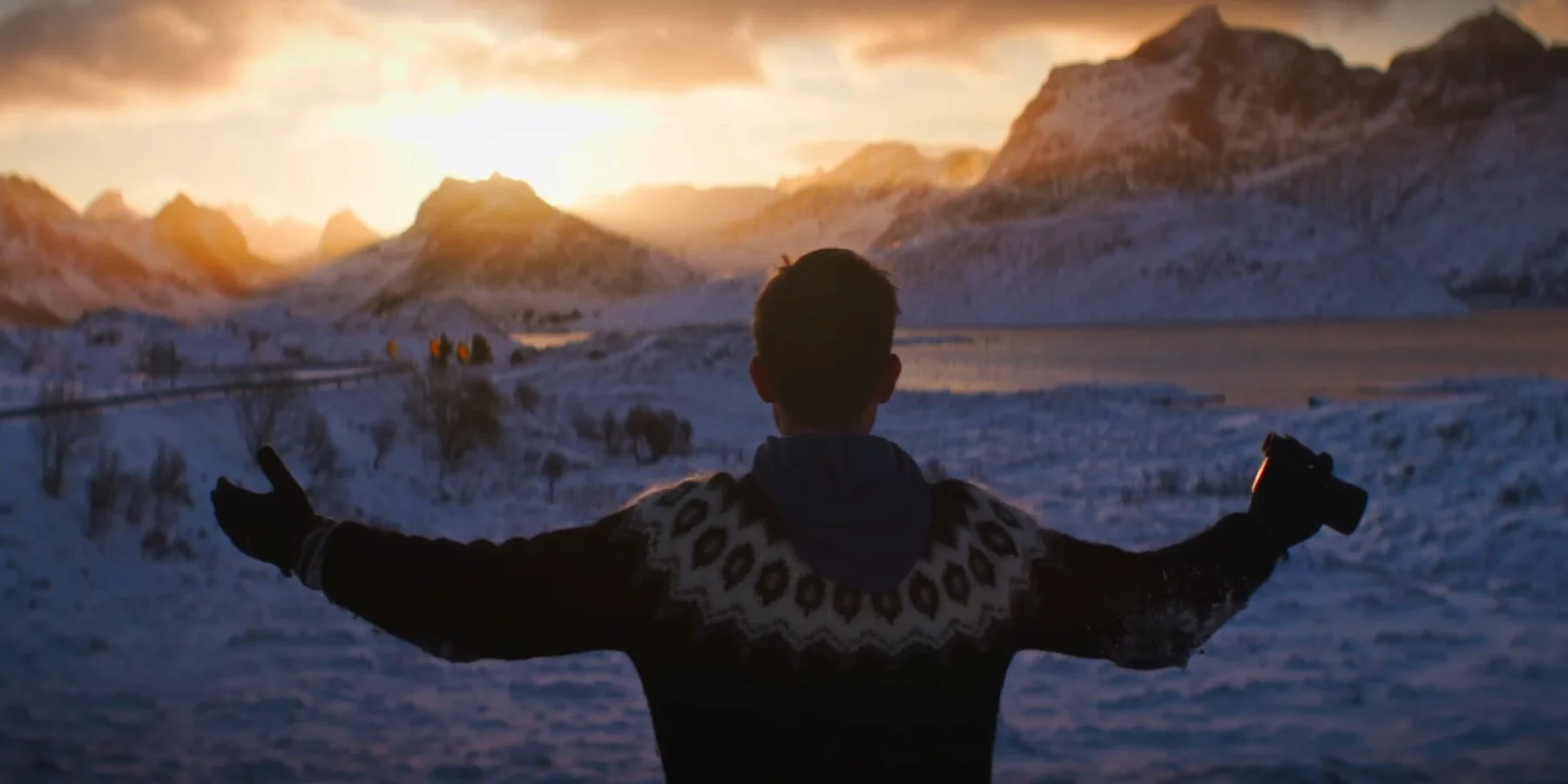
Watch the first sceneLOST GODS is a journey to the heart of faith in northern Europe. In this documentary I explore conversations in Iceland and Norway with a prominent pagan historian whose provocative ideas challenge both Christianity and modernity itself.
Along with an influencer from America and a theologian from Denmark, we look for meaning and the heroic spirit in the disenchanted world of modernity.
Iceland · A conversation begins
A world beyond
pure materiality.
Pagan historian and filmmaker Tom Rowsell discusses his journey from atheism to Paganism with me, a Christian, in my documentary Lost Gods. Why is “pure materiality” viewed as the “respectable” and “serious” worldview of the west today?
Stories handed down
Are the sagas
still relevant?
The birth of modern fantasy through writers like Tolkien and Lewis pulls deeply from this well of collective memory: the folklore, the saga epics, our mythology, our ancient spiritual practices, and our shared history of wars, of building, and of battling the high seas and its monsters at the edge of the map.
C. S. Lewis · Longing for the North
The pull of
Northernness.
In his autobiography Surprised by Joy, C.S. Lewis writes of his profound encounters with Wagner and the literature of the Eddic cosmos, and the beautiful and painful yearning he calls “northernness”.
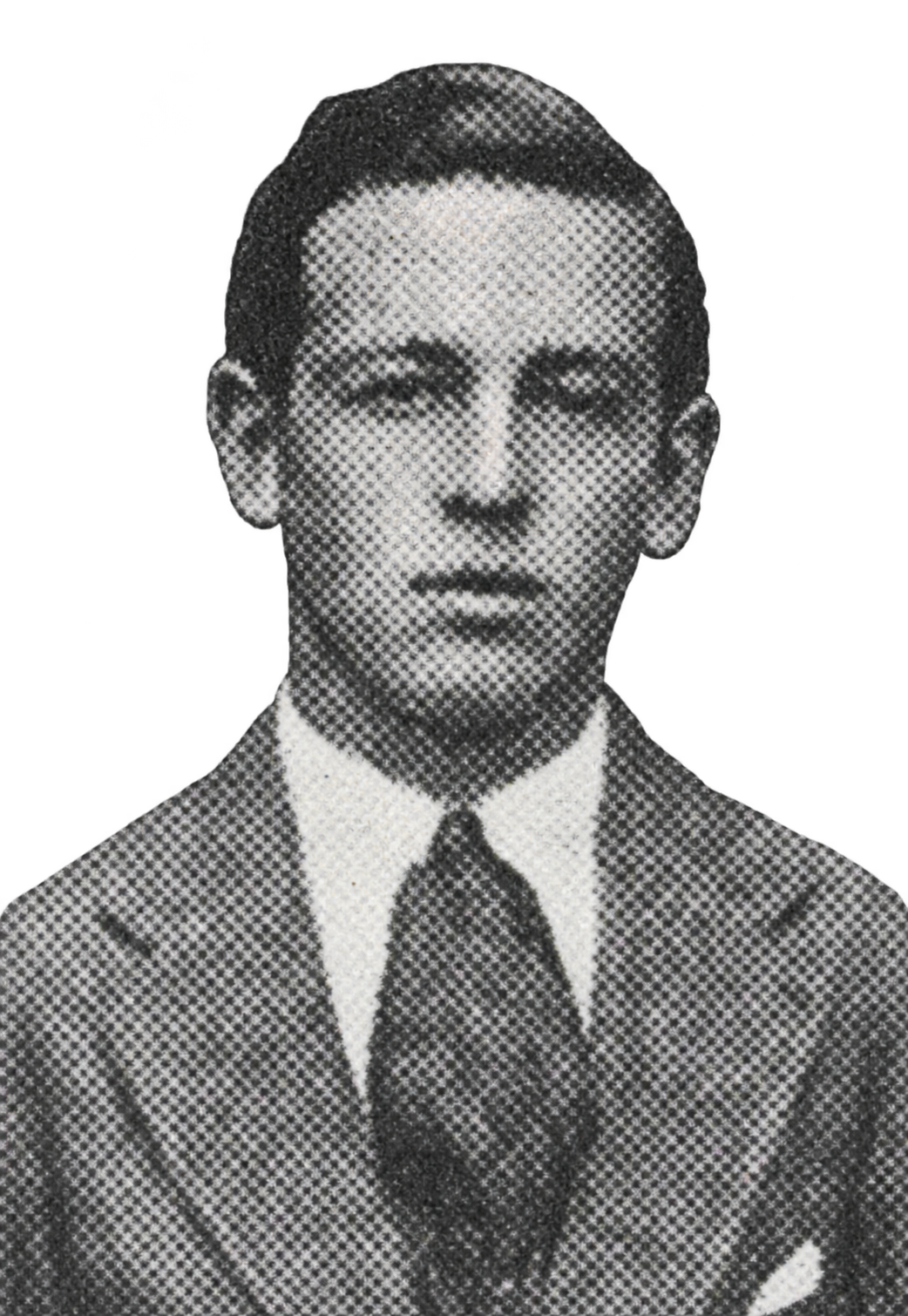 C. S. LewisLonging, imagination and Christian faith
C. S. Lewis (1898–1963) was a Belfast-born scholar of medieval and Renaissance literature, a novelist and a Christian apologist. After abandoning his childhood faith, he returned to Christian belief in 1931, following conversations with friends including J. R. R. Tolkien. The Chronicles of Narnia, Mere Christianity and Surprised by Joy carry different sides of the same searching intelligence: imaginative worlds, lucid argument and an account of a longing that could not be satisfied by the experience that awakened it.
In the filmLewis gives this passage its language of Northernness. His encounter with the old northern stories helped awaken a desire that preceded his mature Christian convictions. The film follows that tension between the imaginative pull of an inheritance and the question of what is ultimately true.
Sources & image credit
Image credit
Unknown photographer, 1917, via Wikimedia Commons; catalogued as public domain. Young Lewis as an Oxford undergraduate. Background extracted with imagegen, retaining the source’s visible halftone texture. Image source
Faith and inherited literature
The honeybee
and the fly.
As a Christian drawn to ancient traditions and the sagas of old, I set out to understand the profound resurgence of paganism, and whether the future of Western spirituality might lie in a deeper understanding of ancestral religion, myth, and identity.
Beauty, piety and ambition
Can we still
build cathedrals?
Are we still capable of building cathedrals and magnificent works of architecture? As we’ve become wealthier, have we allowed our love of beauty to be replaced by a love of money?
The shape of a story
Stories and
mortality.
As a Christian fascinated with our ancient story and folkways, I wanted to understand the ancient Germanic pagan perspective on life and death. In this scene we discuss J.R.R. Tolkien and the ancient heathen perspective on life, death, and transcendent meaning.
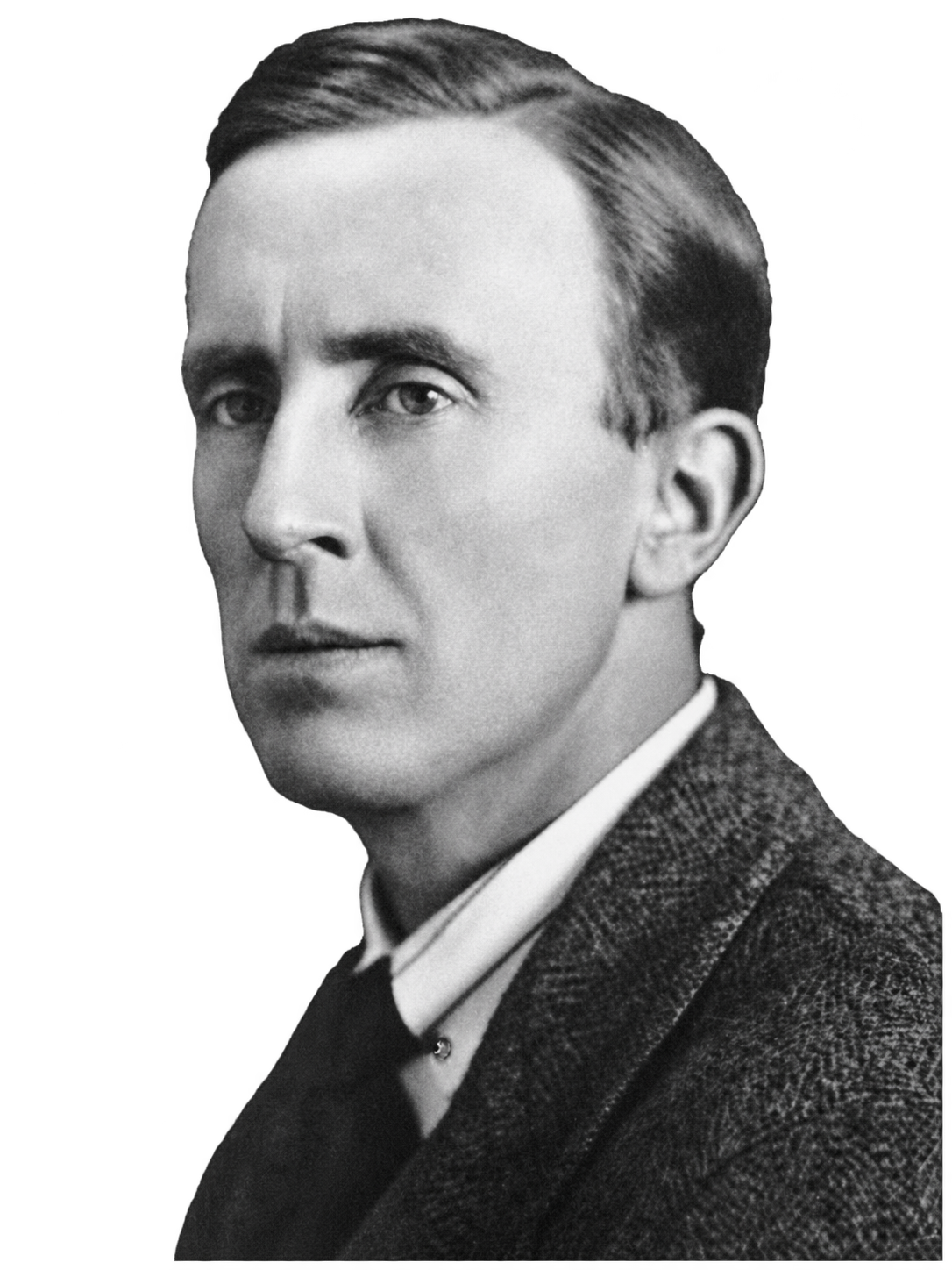 J. R. R. TolkienLanguage, myth and memory
J. R. R. Tolkien (1892–1973) was an Oxford scholar of medieval languages as well as the author of The Hobbit and The Lord of the Rings. Old English and Old Norse were part of his daily intellectual life. His own mythology began taking written form around the First World War and grew into a world with languages, genealogies, ruined kingdoms and memories reaching far beyond its immediate story. His Catholic faith also shaped that imaginative work.
In the filmTolkien opens this conversation about the shape of a story and the reality of death. His own legendarium gives mortality a central place, while his Christian convictions distinguish his response from Tom’s. The connection invites a serious comparison without pretending the two positions are the same.
Sources & image credit
Image credit
Portrait: unknown studio, c. 1925–26, via Wikimedia Commons; catalogued as public domain. Image source
A trail through time · 11 moments
The old gods
and the Cross.
The places we visit in Lost Gods carry traces of different religious worlds. Follow the objects from a chieftain’s hall to a runestone, a manuscript and the people asking what these traditions can mean today.
Tap an object to read its story below. Swipe to explore on a phone.
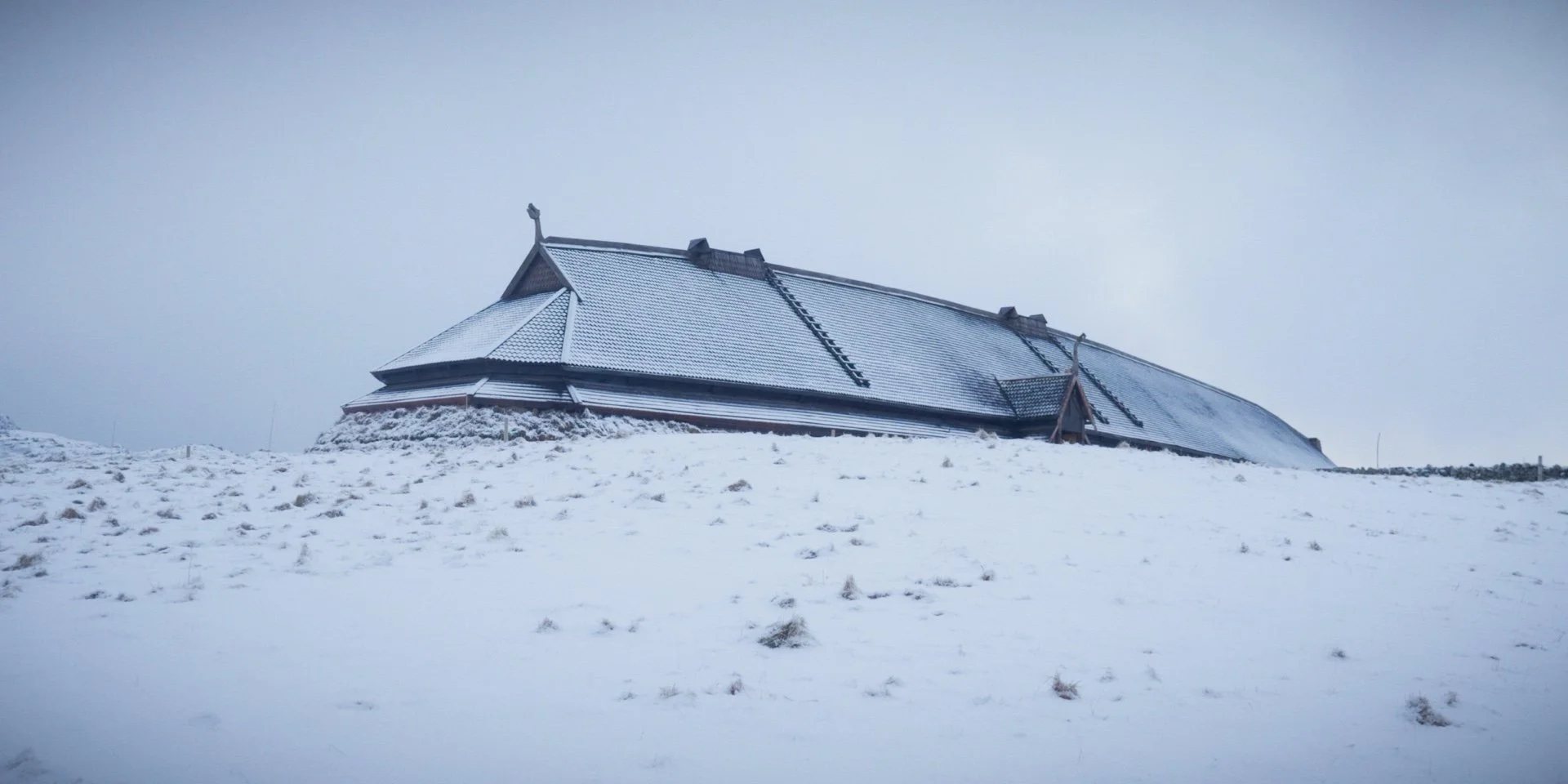
900s · Borg · Lofoten, Norway
The chieftain’s hall
The excavated longhouse on Vestvågøy stretched 83 metres in its final phase. At one end people lived and worked. Elsewhere the chieftain received guests in a hall given over to feasting and ritual. The reconstruction stands beside the excavated site.
The feast hall brought ceremonial life into the household of a powerful chieftain.
Feasts gave a host a way to turn wealth into relationships and obligations.
Authority could gather around a household large enough to feed and receive many people.
Through Lost GodsPutting this hall next to the little farm at Eiríksstaðir shows how much variety the Viking Age held, even within settlements linked across the same sea.
Sources & image credit
Matt Eng · production still
c. 965 · Jelling · Denmark
A king’s new faith
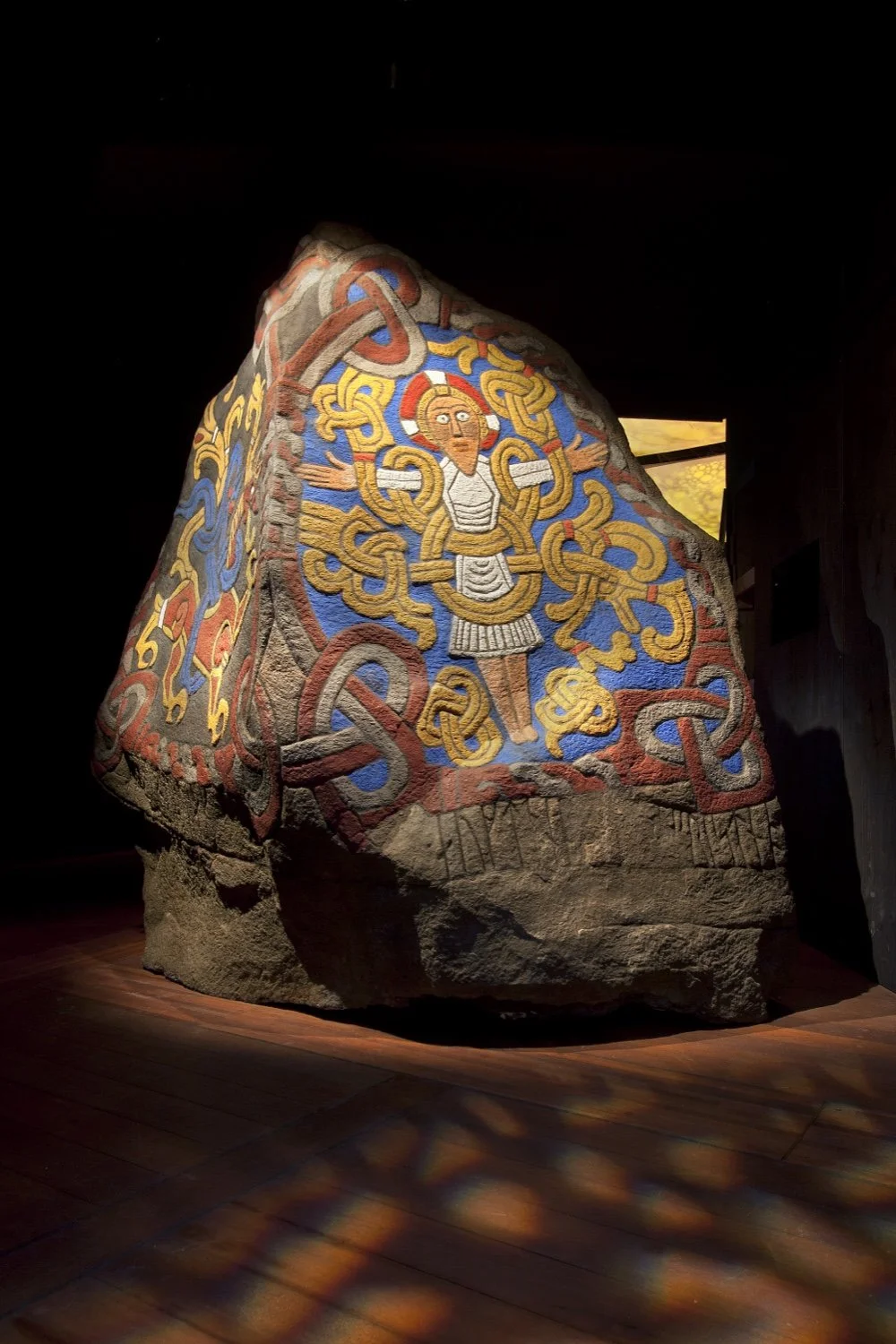
Harald Bluetooth raised the great Jelling Stone in memory of Gorm and Thyra. On it he claims that he made the Danes Christian. Christ is shown with outstretched arms amid curling bands. Murphy reads the carving alongside the Norse world tree.
Murphy sees in the carving an encounter between the Cross and Yggdrasil.
The same monument that announces conversion commemorates the king’s parents.
Harald puts the conversion claim in his own inscription. Christian contacts preceded it.
Through Lost GodsThe familiar runes and interlace carry an unfamiliar public commitment. That combination runs through the film’s question about how a culture changes its faith.
Sources & image credit
John Lee / National Museum of Denmark, resized. The museum reconstruction shows proposed colours.
c. 950–1050 · Foss · Southern Iceland
The Wolf Cross of Foss
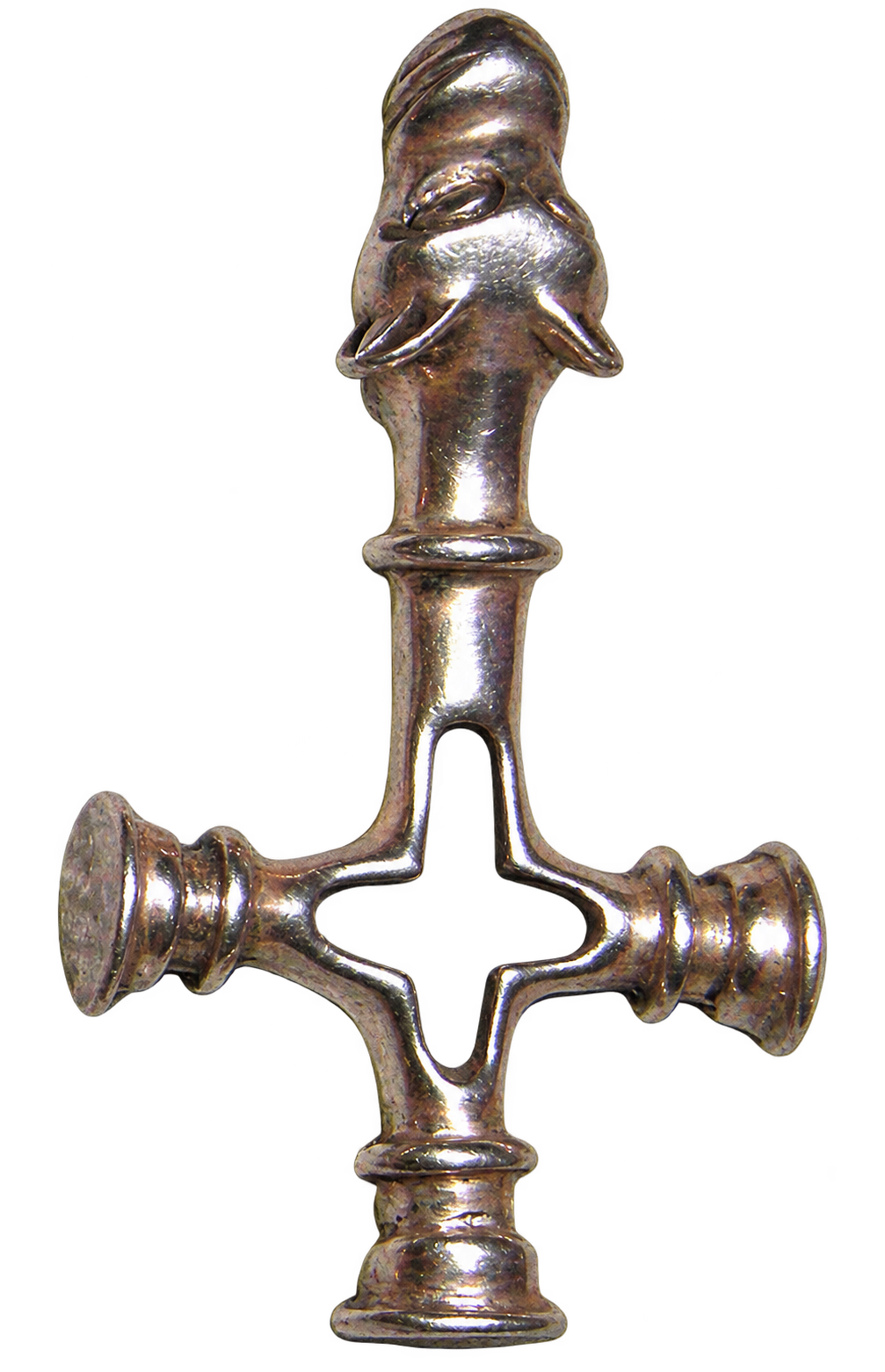
The five-centimetre pendant found at Foss has an animal head with a hole for a cord and an open cross shape in its body. The National Museum of Iceland catalogues the original as a hammer of Þór. The date places it in the period when Iceland adopted Christianity.
A small pendant could carry a religious commitment into ordinary life.
Silver and the sculpted animal head turn a portable object into a distinctive piece of craft.
The museum identifies the pendant as a hammer. Its cross-shaped opening is visible in the object itself.
Through Lost GodsTom’s pendant brings the question down to the scale of something one person can wear, hold and bring to a place like Helgafell.
Sources & image credit
Modern replica photographed by Gunnar Creutz, public domain. Presented as a cutout.
c. 1000 · Þingvellir · Iceland
One law at Þingvellir
At an Alþing divided over religion, the pagan lawspeaker Þorgeir Þorkelsson proposed adopting Christianity under a common law. Ari Þorgilsson tells how Þorgeir first withdrew under his cloak. The settlement initially let people keep older rites in private.
The agreement changed public religious life while allowing some older practices to continue privately.
In Ari’s account, Þorgeir feared that incompatible laws would divide the country.
The assembly entrusted a person from the pagan side with proposing a settlement both sides would follow.
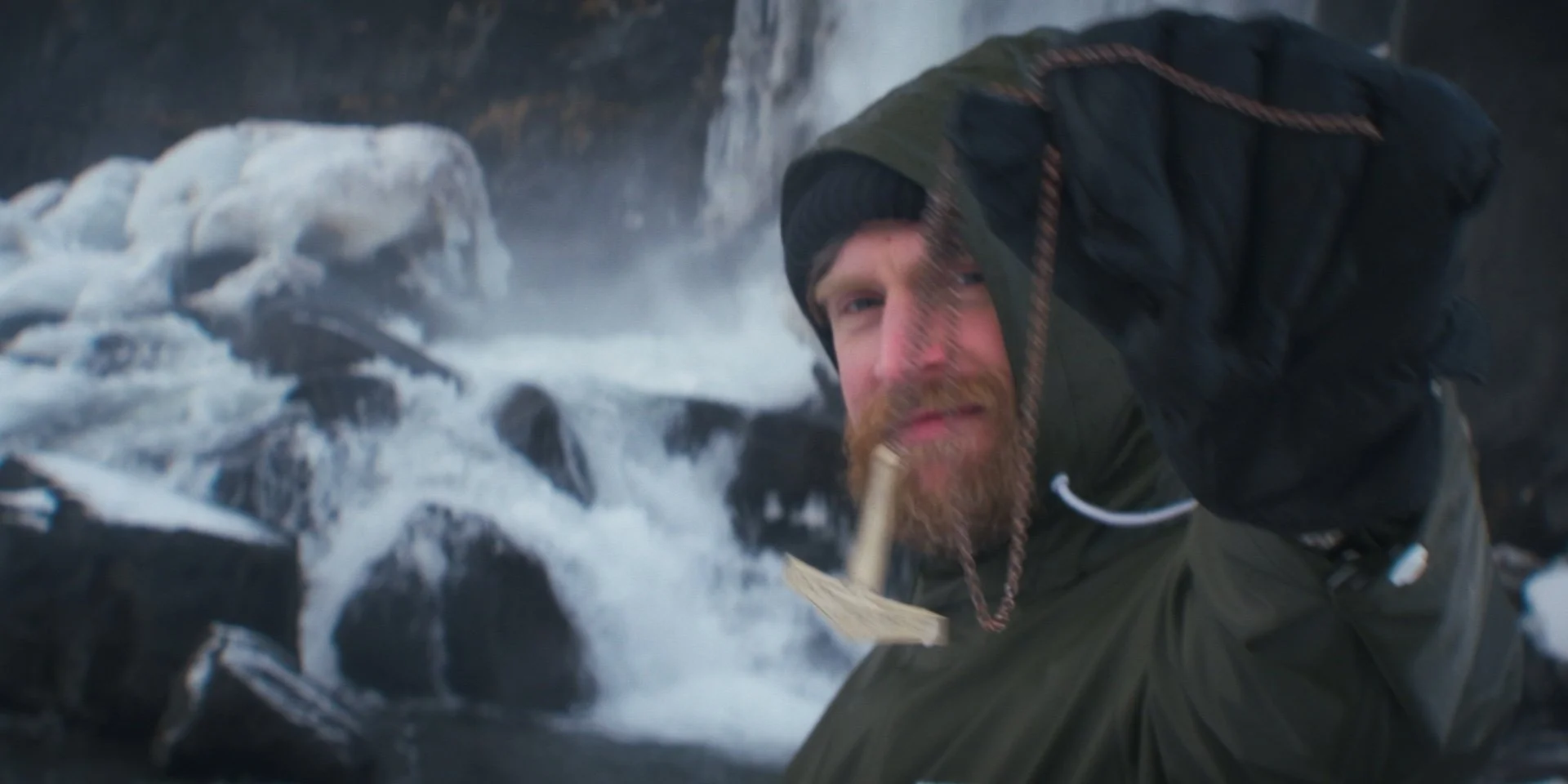
Through Lost GodsWe visit Þingvellir in Lost Gods. Tom holds up his hammer by the waterfall at the site where Icelanders decided what faith their law would recognise.
Sources & image credit
Matt Eng · production still
1130s · Urnes · Sognefjord, Norway
An older carving, reused
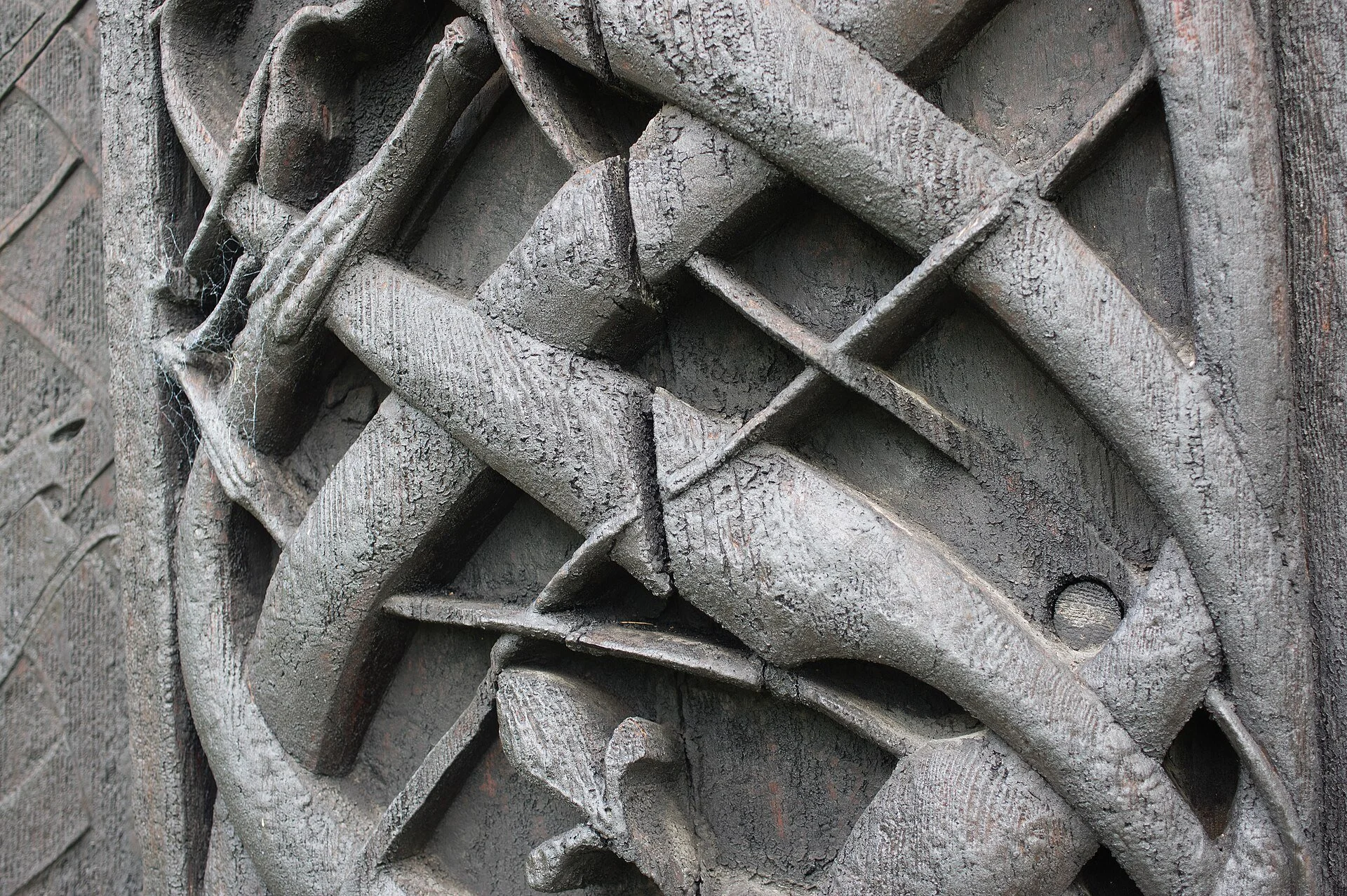
When the builders raised the present church at Urnes, they kept carved material from its predecessor. Look at the animal bodies curling around one another in the north portal. The woodcarvers brought a late Viking Age style into the fabric of a medieval Christian church.
A familiar decorative language entered a church, where a new community encountered it.
The builders reused pieces that had already survived a previous building.
The reused timbers establish continuity of craft. Murphy’s religious reading gives them another dimension.
Through Lost GodsThe portal has an answer to the film’s question about building for generations. The next generation can inherit work it finds worth keeping.
Sources & image credit
Bjørn Erik Pedersen / Wikimedia Commons, CC BY-SA 4.0.
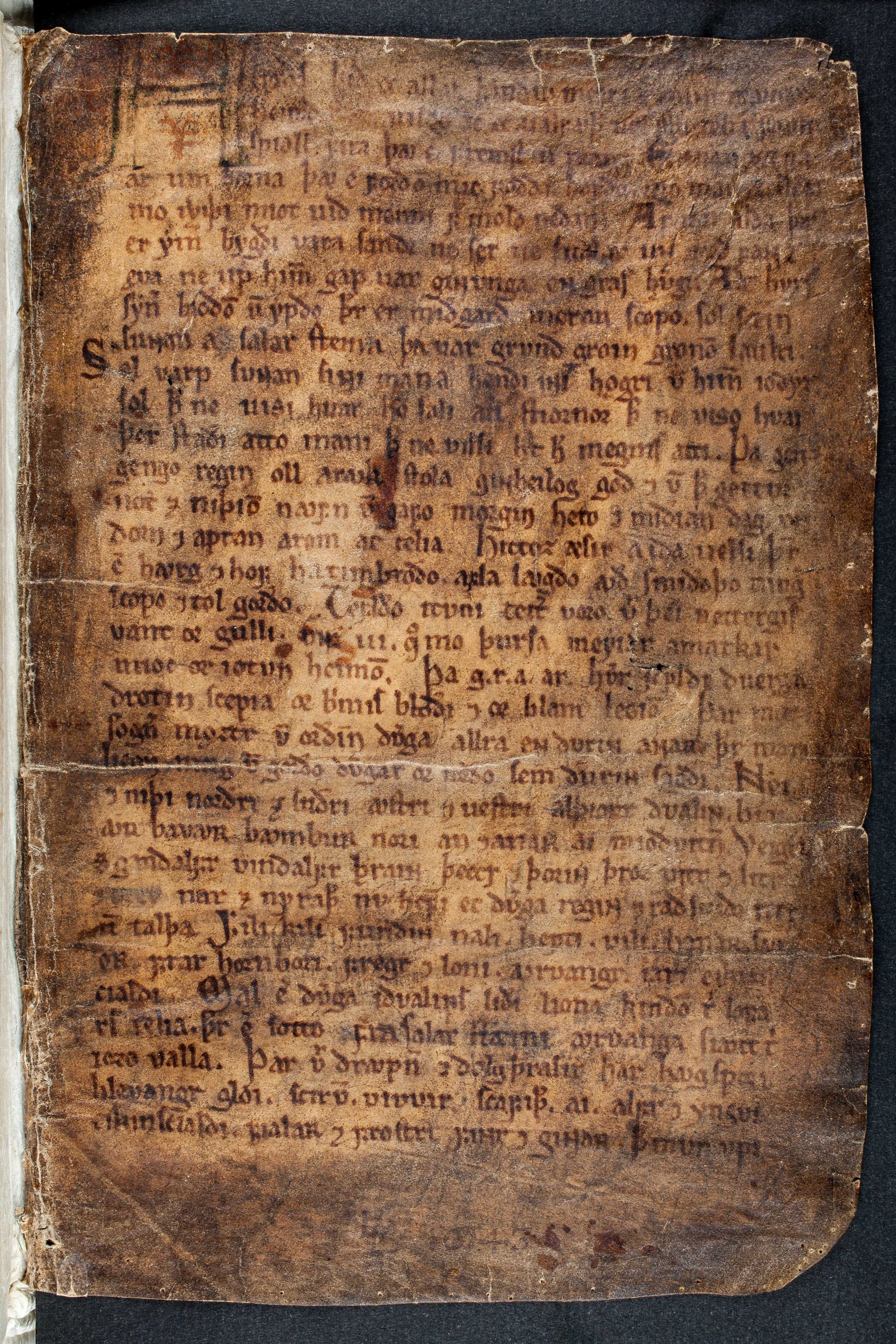
c. 1270 · Medieval Iceland
The poems survive on vellum
The Codex Regius opens with Völuspá, in which a seeress recounts the making of the world, its destruction and what follows. The poems were copied in a Christian Iceland that had long used the Latin alphabet. The vellum preserved stories of Odin and the old gods for later readers.
Völuspá gives the world a sacred history with a beginning, a destruction and a renewal.
Writing a poem down can outlast the circumstances that first gave it meaning.
The manuscript is evidence of medieval transmission. The poems it preserves had lives before that copy.
Through Lost GodsThe sagas and Eddic poems gave later writers such as Tolkien and Lewis a way to encounter the North. A medieval act of preservation makes that encounter possible.
Sources & image credit
Digitised manuscript, GKS 2365 4to, fol. 1r. See the source and image credit in the Sagas chapter.
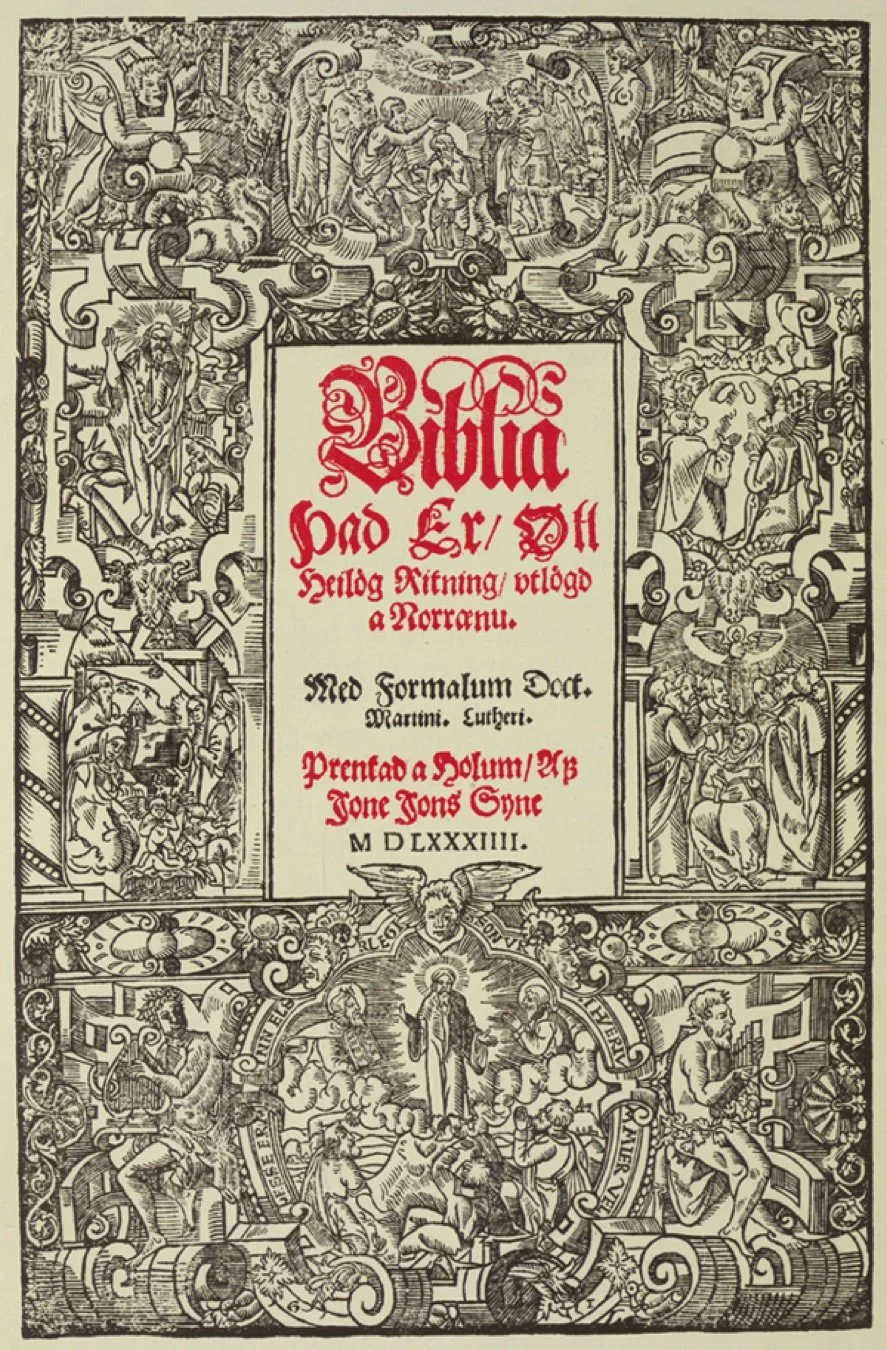
1550–1584 · Skálholt and Hólar · Iceland
A Bible in Icelandic
Iceland’s Reformation came under Danish rule. Jón Arason, the last Catholic bishop of Hólar before the Lutheran Reformation, was executed at Skálholt in 1550. In 1584, Lutheran bishop Guðbrandur Þorláksson published the first complete printed Bible in Icelandic.
A complete printed Bible made Scripture available in the language used by Iceland’s church and readers.
The vernacular carried both the old poems and the Christian Scriptures across generations.
The execution at Skálholt marked the defeat of the Catholic resistance to the Danish king’s reforms.
Through Lost GodsCenturies after the assembly at Þingvellir, another remaking of religious life involved both a change of authority and a commitment to the language people already spoke.
Sources & image credit
Guðbrandsbiblía, title page, 1584. Public-domain reproduction via Wikimedia Commons, resized.
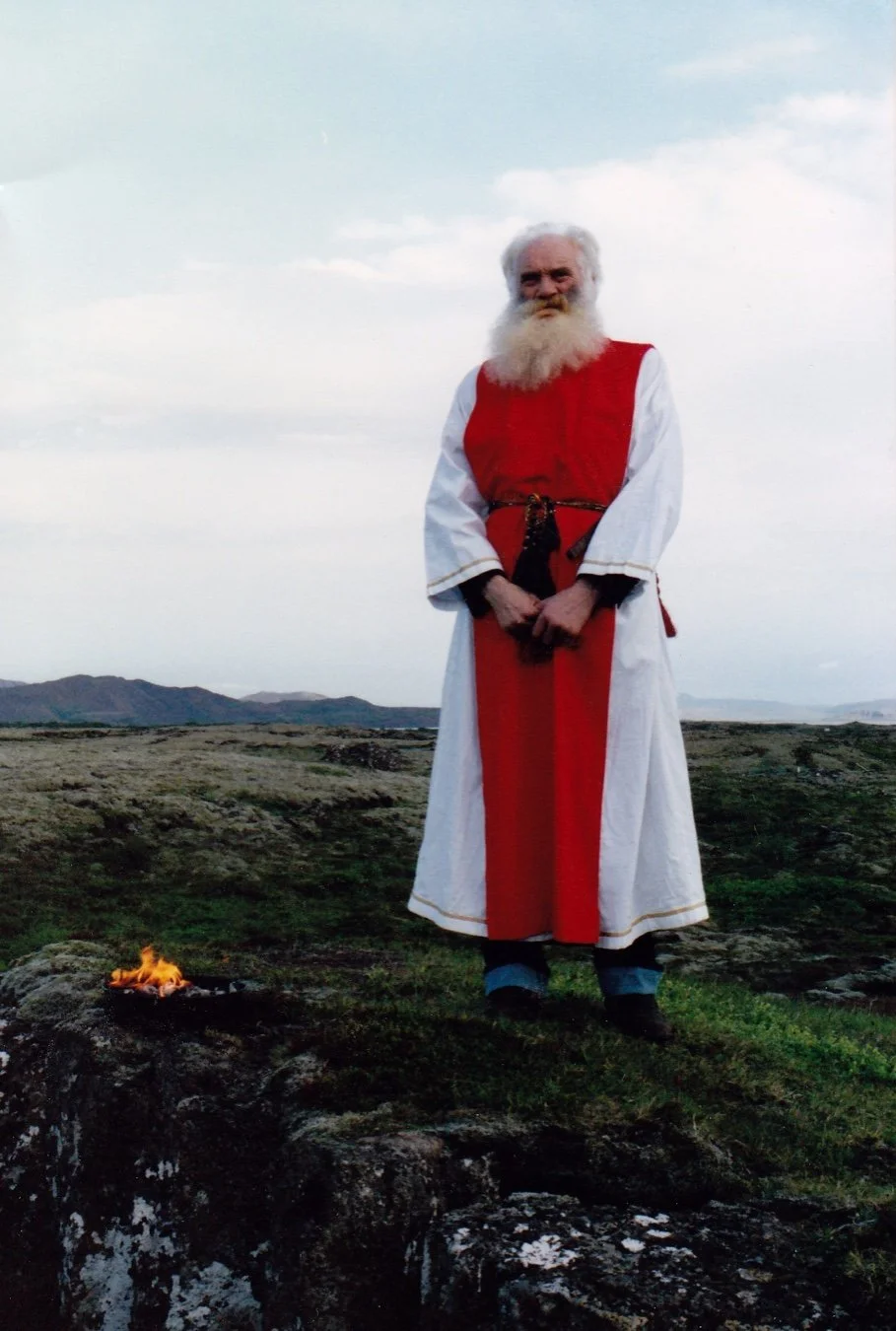
Late 20th century · Modern Germanic heathenry
The old gods return to public life
Across the late twentieth century, communities began reviving forms of pre-Christian Germanic worship. In Iceland, Ásatrúarfélagið was founded in 1972 and recognised in 1973. Other efforts took shape in their own settings, including The Troth in the United States in 1987 and Forn Siðr in Denmark in 1997.
Modern practitioners draw on old stories, historical records and local traditions to give worship a place in ordinary life.
Communities in different countries have developed their own names, gatherings and ways of recovering older practices.
Iceland recognised Ásatrúarfélagið in 1973. Denmark later recognised Forn Siðr in 2003.
Through Lost GodsThis photograph shows one Icelandic expression of the revival, a ceremony at Þingvellir in 1991. Tom’s practice in Britain is another expression of the wider movement.
Sources & image credit
Jónína K. Berg, 1991. Resized from the openly licensed original, CC BY-SA 3.0.
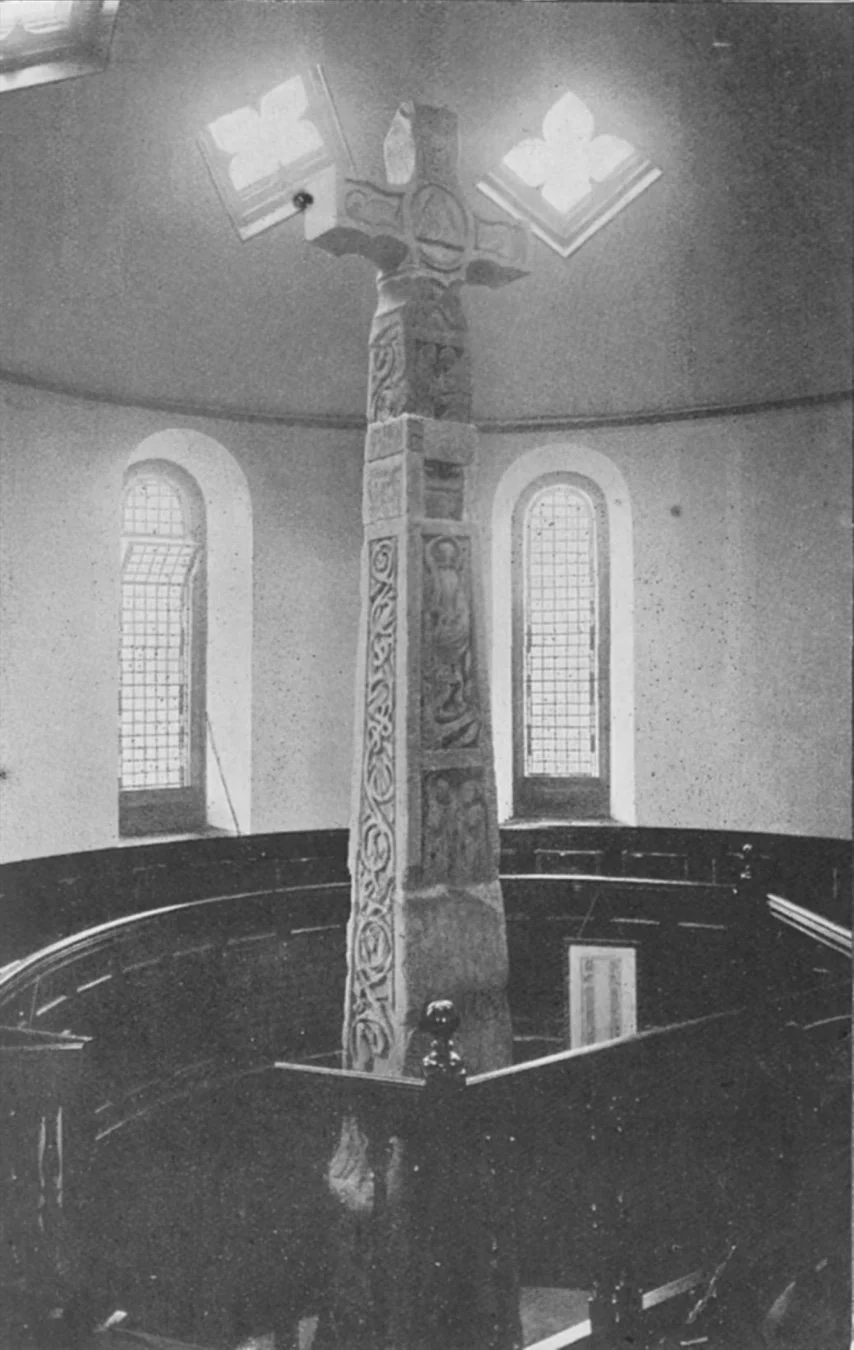
2013 · G. Ronald Murphy, S.J. · Tree of Salvation
The tree and the Cross
Jesuit priest and scholar G. Ronald Murphy asks how northern Christians might have recognised the Cross through stories of Yggdrasil. In Tree of Salvation he reads runestones, stave churches and the Old English Dream of the Rood together. At Ruthwell, runes on a stone cross carry verses related to the poem in which the Cross speaks.
Murphy proposes that some northern Christians saw the story of the world tree as pointing toward Christ’s Cross.
A tree, a carving or a poem may carry older habits of seeing into Christian art.
Murphy builds the connection by reading objects and poems together. His book offers a way to look at the evidence.
Through Lost GodsMurphy gives a Christian reading of the inheritance that Lost Gods examines. The old stories could help northern Christians imagine and express the faith they had adopted.
Sources & image credit
Archival illustration reproduced in Emily Hickey’s Our Catholic Heritage in English Literature, via Project Gutenberg. Public-domain reproduction, resized.
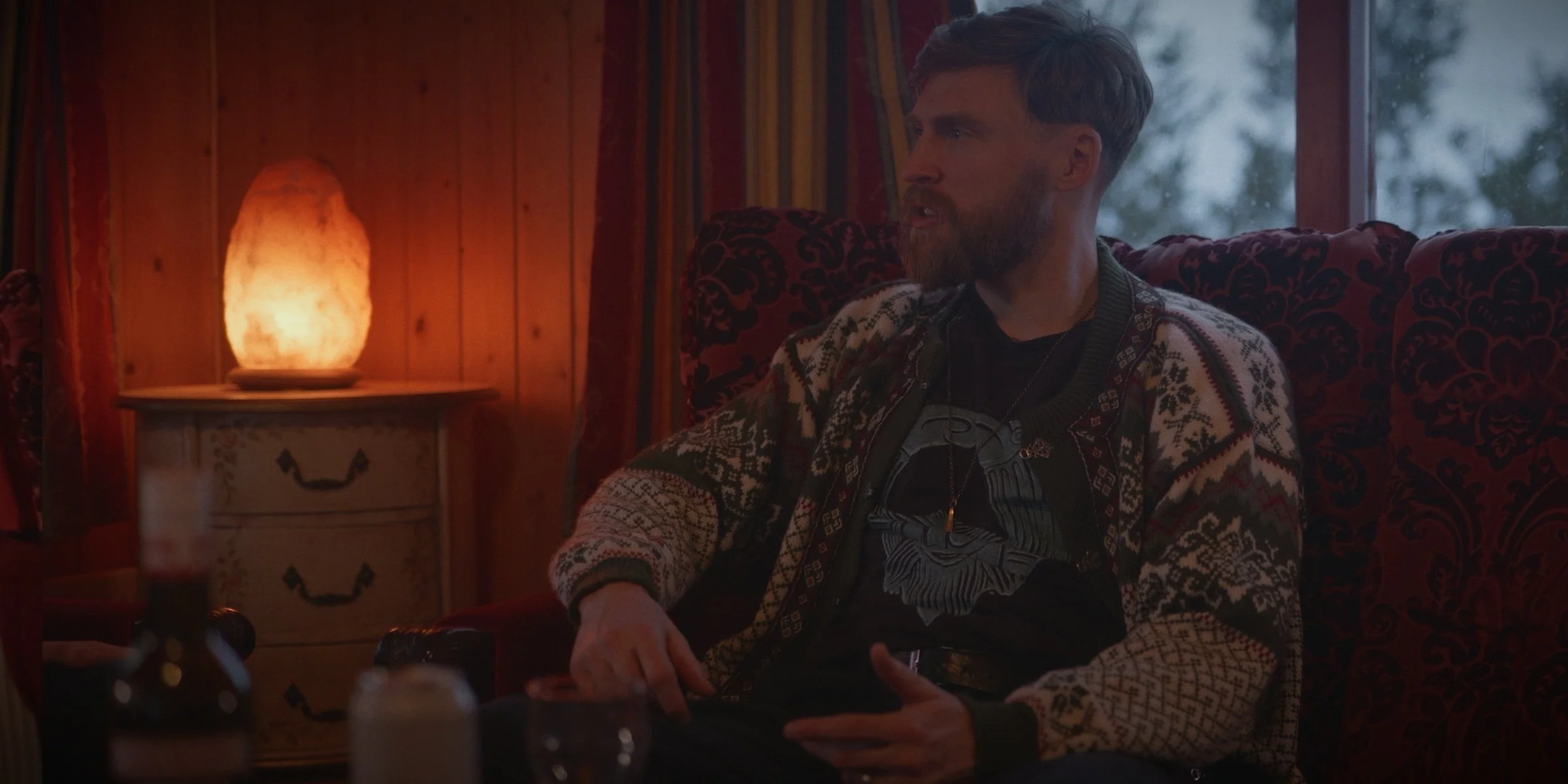
2025 · Thomas Rowsell · Lost Gods
Practising Germanic heathenry
Thomas Rowsell is a filmmaker and practising heathen who explores Germanic religion through Survive the Jive. His work brings historical sources into contact with modern practice. In Lost Gods, we see him invoke Thor on Helgafell and hear how he came to practise a religion he once approached through study.
On Helgafell, Tom invokes Thor before a boxing match.
Rowsell draws on historical material to teach forms of prayer and religious practice today.
Present-day choices require judgement about how written and material evidence can guide living ritual.
Through Lost GodsTom’s choice puts the film’s question in the present tense. What would it mean to pray to the old gods now?
Sources & image credit
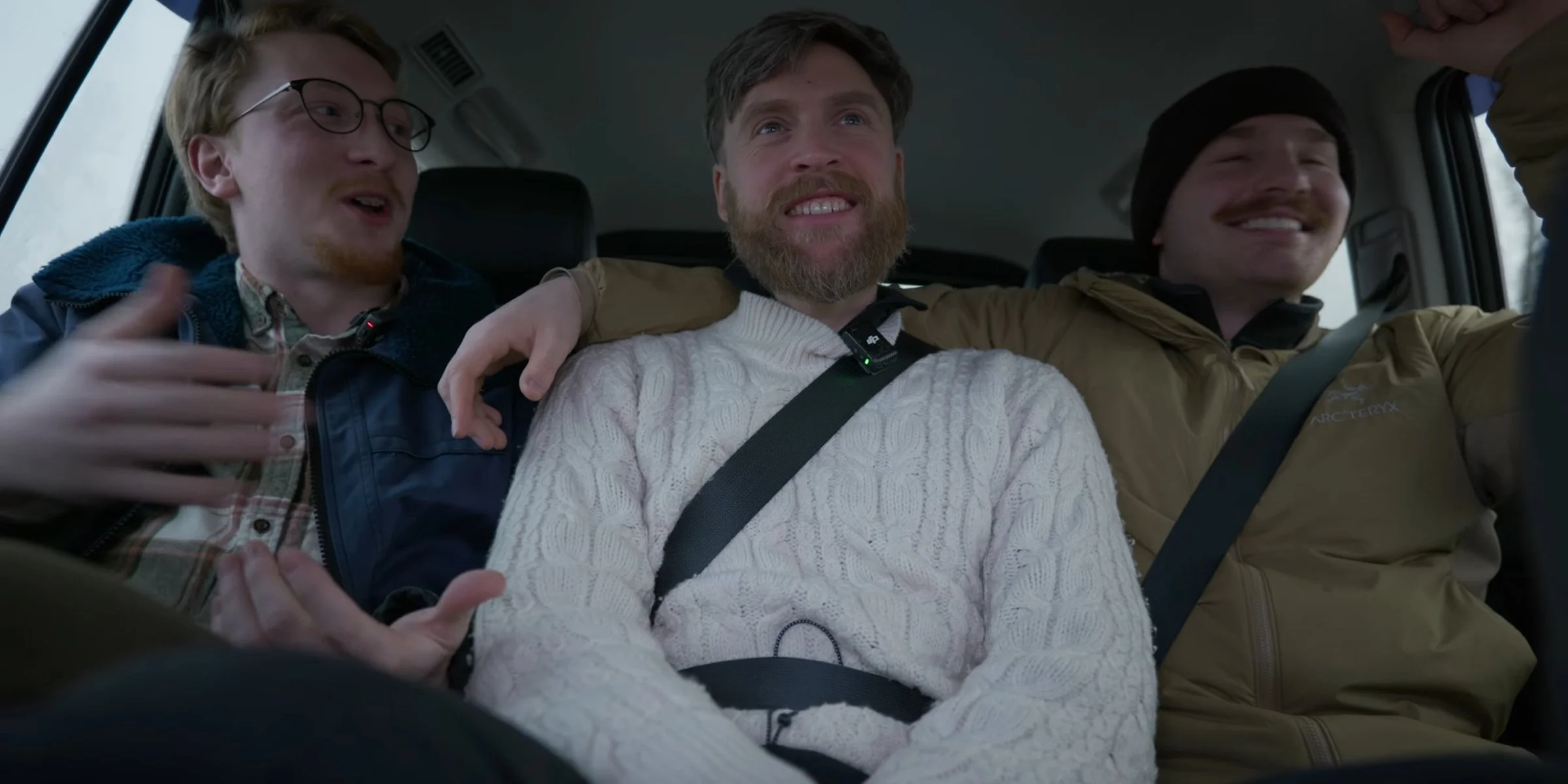
Today · Mikkel Sotbæk · Lolland, Denmark
Mikkel Sotbæk at harvest
Mikkel Sotbæk, also known as Michael Potamopotos, is a Danish Lutheran theologian and farmer. I first reached out after reading his argument that old Norse mythology could be read in light of Christianity. In The Remnant, we see his family host a harvest gathering on Lolland, bringing neighbours together around the work of the season and a shared table.
At Sotbæk the rhythm of work, harvest and gathering gives Christian fellowship a place in the year.
The gathering makes an inherited custom something families and neighbours can do together.
The farm and the families give the celebration its form. The work happens at the scale of a household and its neighbours.
Through Lost GodsMikkel joined us in Iceland for Lost Gods. The Remnant shows what his interest in inherited folkways looks like in the everyday life of a Christian community.
Sources & image credit
Selected dates are approximate. Events can overlap, and distances on the rail do not represent elapsed time.
↑ Return to Stories and mortality