

Embers
The field
atlas.
Why does modern life feel so weightless, and why do most westerners feel so detached from our own past?
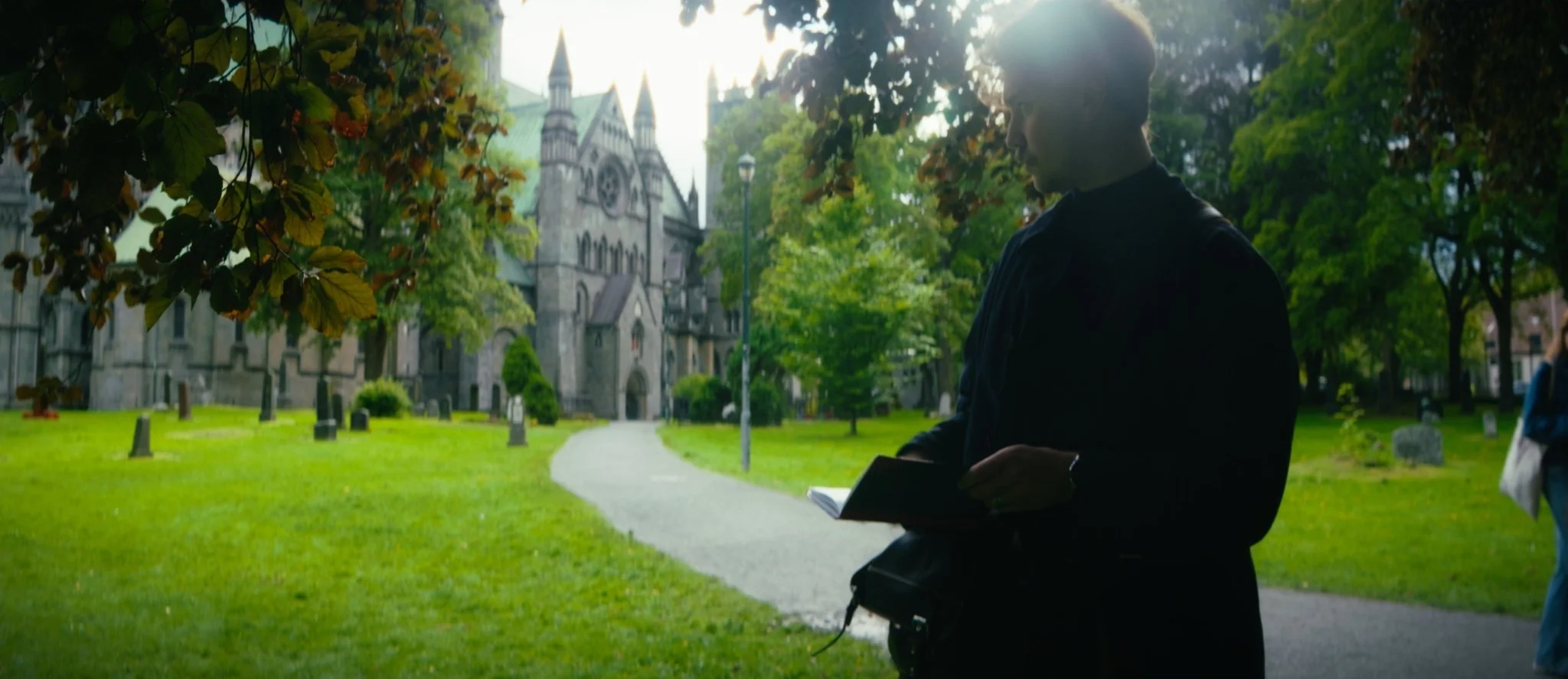
Watch the first sceneEmbers is a short independent slice-of-life documentary. Filmed in Trondheim, Norway, the student Håvard M. Poquet confronts modern detachment from ancestral memory.
Embers is an exploration of our modern relationship to ancestry, cultural amnesia, and the persistent spiritual longing (Sehnsucht) that modern secularism has failed to fully extinguish.
Trondheim, Norway
Connection with
the past.
In this clip, local Norwegian student Håvard Poquet reflects on why our generation feels so unmoored, and what happens when we look back to remember.
The bookshelf
Tolkien’s
First Age.
Håvard struggled to truly finish a book for years. But while in the Norwegian Military, he picked up Tolkien’s First Age legendarium, prose steeped in our ancient history and mythology, and found he couldn't put it down.
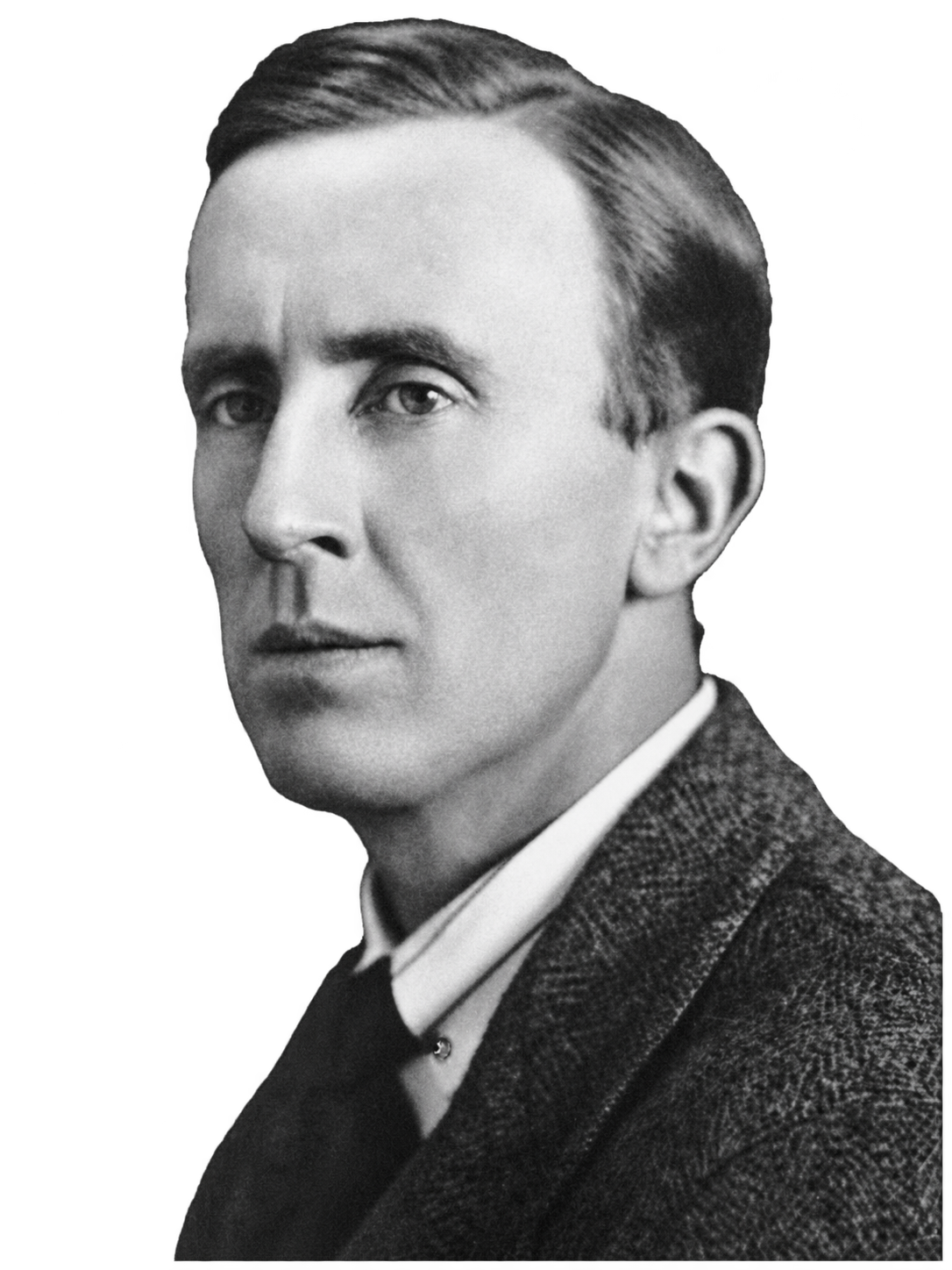 J. R. R. TolkienLanguage, myth and memory
J. R. R. Tolkien (1892–1973) was an Oxford scholar of medieval languages as well as the author of The Hobbit and The Lord of the Rings. Old English and Old Norse were part of his daily intellectual life. His own mythology began taking written form around the First World War and grew into a world with languages, genealogies, ruined kingdoms and memories reaching far beyond its immediate story. His Catholic faith also shaped that imaginative work.
In the filmHåvard’s account begins with a surprisingly ordinary change: Tolkien made him want to read again. The First Age stories gave the distant past emotional weight. That makes Tolkien a bridge in Embers between imagined antiquity and the inherited stories, places and spiritual questions of Norway.
Sources & image credit
Image credit
Portrait: unknown studio, c. 1925–26, via Wikimedia Commons; catalogued as public domain. Image source
History and its caricatures
Sick of
the Viking Age?
Disillusioned by pop-culture caricatures of "biker barbarians," he turns to ancient Norse sagas and western literature.
Mythology and human nature
Mythology and
human nature.
Have we become too "civilized"? Have we become too restrained? Are we lacking the adventure and danger that makes us feel alive?
Faith and uncertainty
Something
more.
What does the future hold for Christianity in Europe and how did Christian faith go from being at the center of life to merely a cultural artifact for most Norwegians over the last century and a half?
Ancestry and perspectives
Other ways of
seeing the world.
Stories like Knut Hamsun’s Growth of the Soil or the sweeping Sagas of the Viking Age uncover wildly different values and ways of seeing the world to what we have today, and show that we don't need to be confined to a modern view of life.
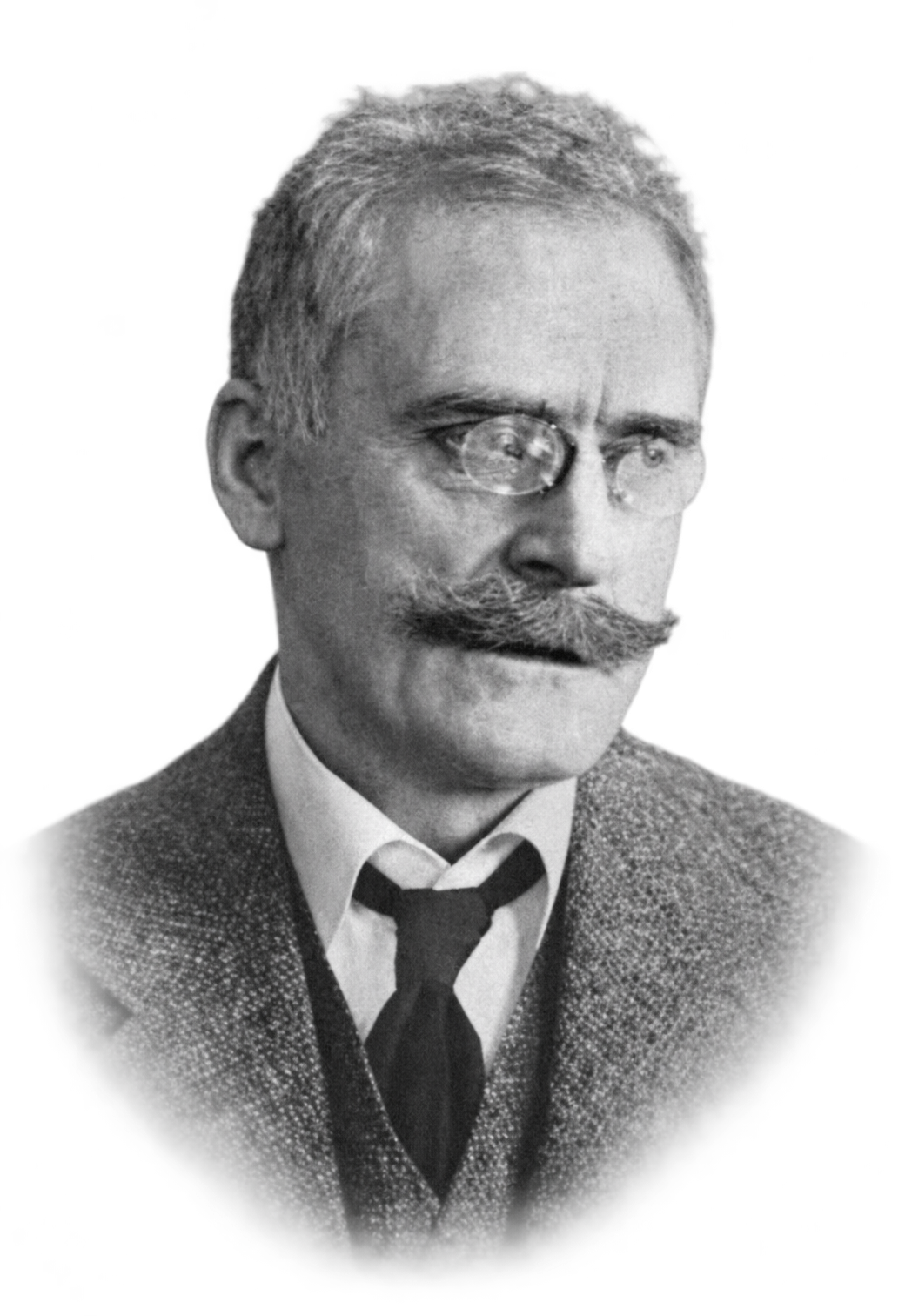 Knut HamsunThe land and the restless mind
Knut Hamsun (1859–1952) grew up in northern Norway and spent years travelling and doing casual work before his literary breakthrough. Hunger (1890) helped transform the modern psychological novel; Growth of the Soil (1917) turned towards the long rhythms of farming and settlement and brought him the 1920 Nobel Prize. Hamsun's support for the occupying German regime in WWII has complicated his literary legacy in post-war Norwegian life. Yet his work remains highly respected and continues to be adapted in film and on stage.
In the filmHåvard is drawn to Growth of the Soil for its human characters and changing landscape. Hamsun matters here because a novel lets him enter a different arrangement of work, family, land and value. Embers follows that curiosity about ways of living that modern habits can make difficult to imagine.
Sources & image credit
Image credit
Portrait: Anders Beer Wilse, published no later than 1922, via Wikimedia Commons; catalogued as public domain. Image source
A trail through time · 11 moments
The world was not always
seen this way.
What feels obvious in one age can be almost unthinkable in another. These eleven moments follow a selective trail from Norway’s prehistoric landscapes, through Norse religion and Europe’s Christian inheritance, to the questions Håvard is asking today. Beliefs overlap, persist and return; each object opens a different way of inhabiting the world.
Tap an object to read its story below. Swipe to explore on a phone.
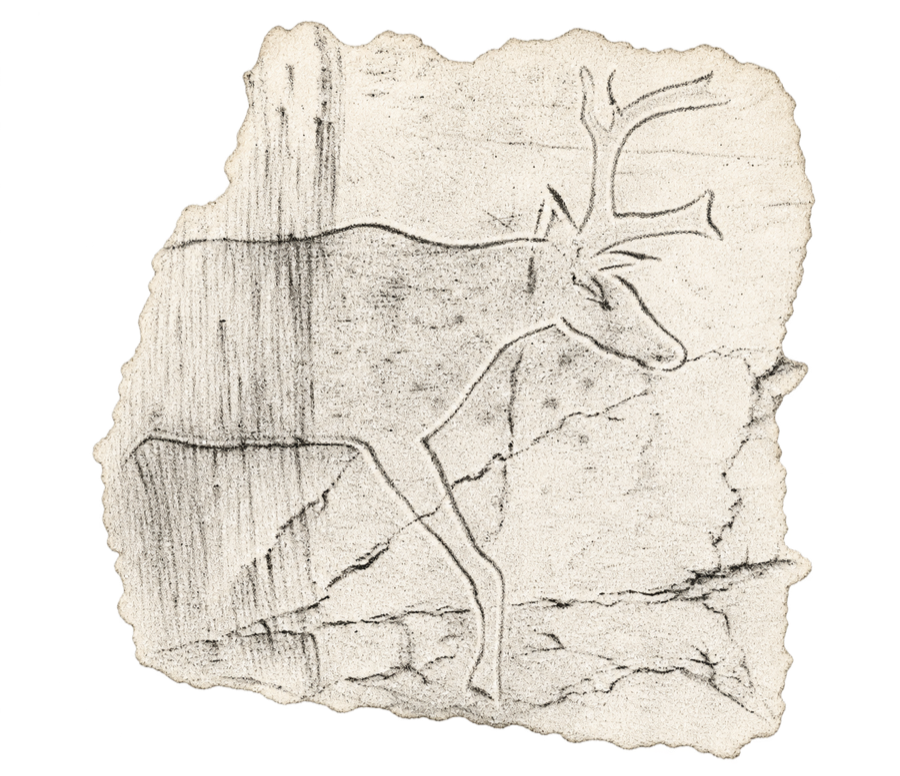
c. 4000–3000 BCE · Stone Age · Trøndelag, Norway
Animals within a living landscape
A life-size reindeer was carved into the rock beside the Bøla river, near today’s Snåsavatnet. When this landscape was first marked, the lake was still connected to the Trondheim Fjord. Other carvings include a bear, birds and a skier. Archaeologist Kalle Sognnes draws attention to the whole setting: river, waterfall, changing water levels and the viewpoints from which people encountered the images. The animal belongs to a lived landscape, not an isolated museum case.
The carvings invite questions about relationships between people, animals and powerful places. Their original religious meanings are not recorded in a surviving written creed.
Full-size animals and a skier belong to a world sustained by hunting, fishing and close knowledge of the terrain.
Sognnes’s reading shifts attention from one famous reindeer to a wider field of images, movement and encounters along the river.
Through EmbersLong before Trondheim’s churches or university, people in this region gave animals lasting forms in the landscape. Embers invites us to approach the past as a different way of seeing and inhabiting the same world.
Sources & image credit
Archival drawing attributed to David Habel (1844–1890), c. 1870, via Wikimedia Commons. Public domain. This is a drawing of the rock carving.
Late Stone Age → Bronze Age · Solsem cave · Leka, Norway
Gathering at the edge of darkness
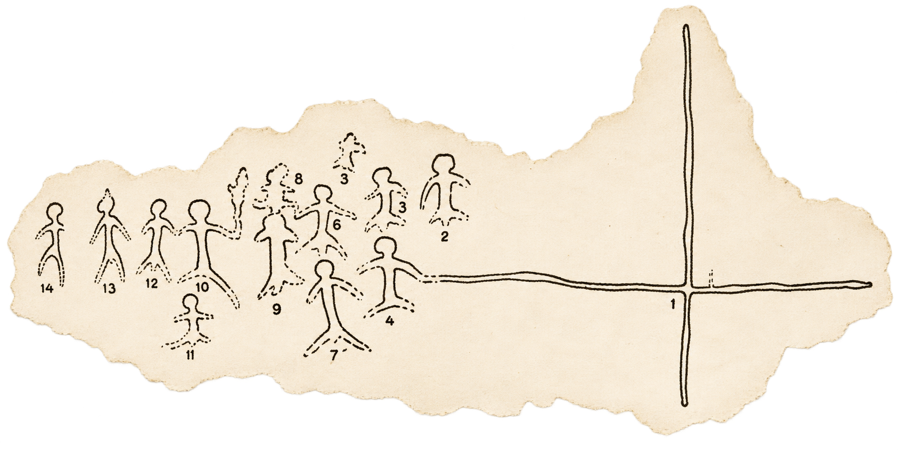
Inside Solsem cave on Leka, red human figures appear beside a large cross-shaped motif. These prehistoric marks belong to a coastal Norwegian cave-art tradition. Leka’s heritage account places the paintings in the late Stone Age or early Bronze Age; radiocarbon dates establish Bronze Age visits to the cave. Archaeologists have explored interpretations involving ceremonies and rites of passage. The dark, enclosed space changes how the images are experienced: a setting for encounter and performance, rather than art displayed in daylight.
Archaeological interpretations connect the cave’s darkness, images and deposits with ritual activity. The specific ceremonies and beliefs remain open questions.
Groups of human figures suggest a shared visual tradition along the Norwegian coast. Their arrangement makes the gathering itself part of what we notice.
The paintings, excavated remains and setting supply the evidence. The 1913 tracing records their forms; it does not supply a prehistoric explanation of them.
Through EmbersThe figures open a much older chapter of the region’s spiritual imagination. The cross-shaped mark predates the Christian setting of Nidaros; similar shapes can carry very different meanings in different ages.
Sources & image credit
Claus Hjelte’s 1913 archaeological record, published in Gutorm Gjessing’s Nordenfjelske ristninger og malinger av den arktiske gruppe (1936), via Wikimedia Commons. Listed as public domain, Norwegian government work. Paper cutout; lower scale bar omitted.
c. 1400 BCE · Nordic Bronze Age
The sun’s sacred journey
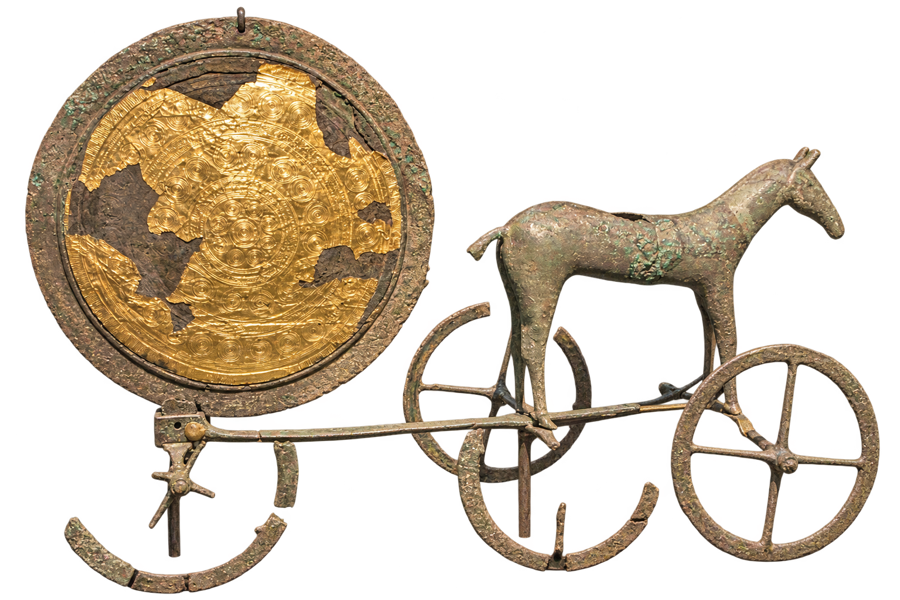
The Sun Chariot, found in Denmark, depicts a horse drawing a sun disk. The National Museum interprets it as an image of the sun’s eternal journey, carried by a divine horse. The movement on which ordinary life depended could be pictured as a sacred drama.
The sun’s daily motion becomes the journey of a divine horse. Nature is encountered through a sacred story.
The artifact directs attention to recurring movement and the renewal of the sun. Continuity and return occupy the centre of its imagery.
The object embodies an order larger than an individual life. Its exact ritual use and the beliefs of particular people remain partly beyond recovery.
Through EmbersThis is a Scandinavian religious imagination far older than the Viking Age. Matt’s own museum photograph puts a particular object beside Håvard’s resistance to reducing the northern past to a familiar pop-culture costume.
Sources & image credit
Photograph by Matt Eng at the National Museum of Denmark, from his approved media.
1st century CE · The apostolic proclamation
The emergence of Christianity
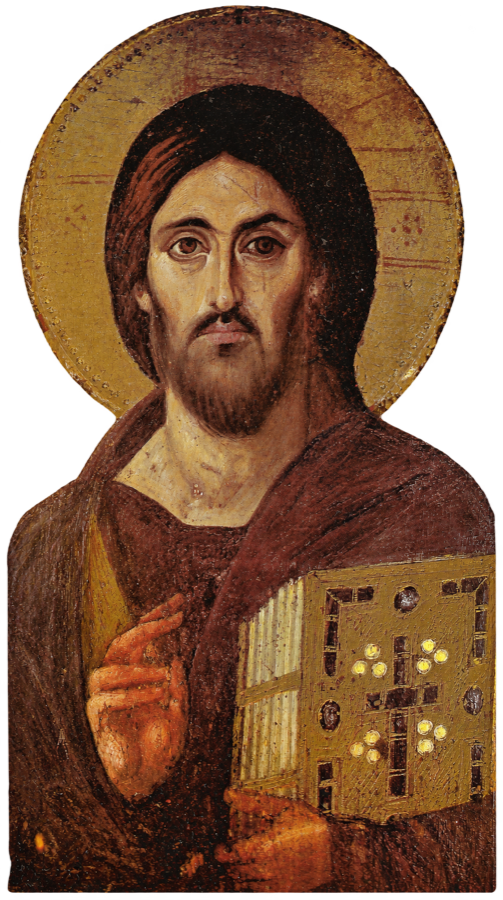
Early Christians proclaimed Jesus Christ’s death and resurrection as the centre of the Gospel. Historic Christian teaching confesses that the eternal Son assumed human nature, remaining true God while becoming true man. In this understanding, God is the Creator and sustainer of all things, already active in creation and history; the Incarnation concerns the Son’s taking human nature.
In Christian belief, the eternal Son becomes man for human redemption. Christ’s death and resurrection stand at the heart of the Gospel.
Forgiveness of sin, faith in Christ, and love of God and neighbour are central Christian commitments.
Christian faith looks to Christ, the apostolic witness and Scripture. The Church hands on a proclamation understood by Christians as received from God.
Through EmbersThe sixth-century Sinai icon is a later witness to Christian belief and its visual expression. Placing this moment before Norway’s conversion distinguishes the emergence of the Christian faith from its later reception in the northern world explored by Embers.
Sources & image credit
Christ Pantocrator, sixth century, Saint Catherine’s Monastery, Sinai. Anonymous Byzantine iconographer; photographic reproduction by Michel Bakni, via Wikimedia Commons, public domain. Cutout adaptation.
c. 550–1100 CE · Later Iron Age · Norse traditions
Odin, the Æsir and the Vanir
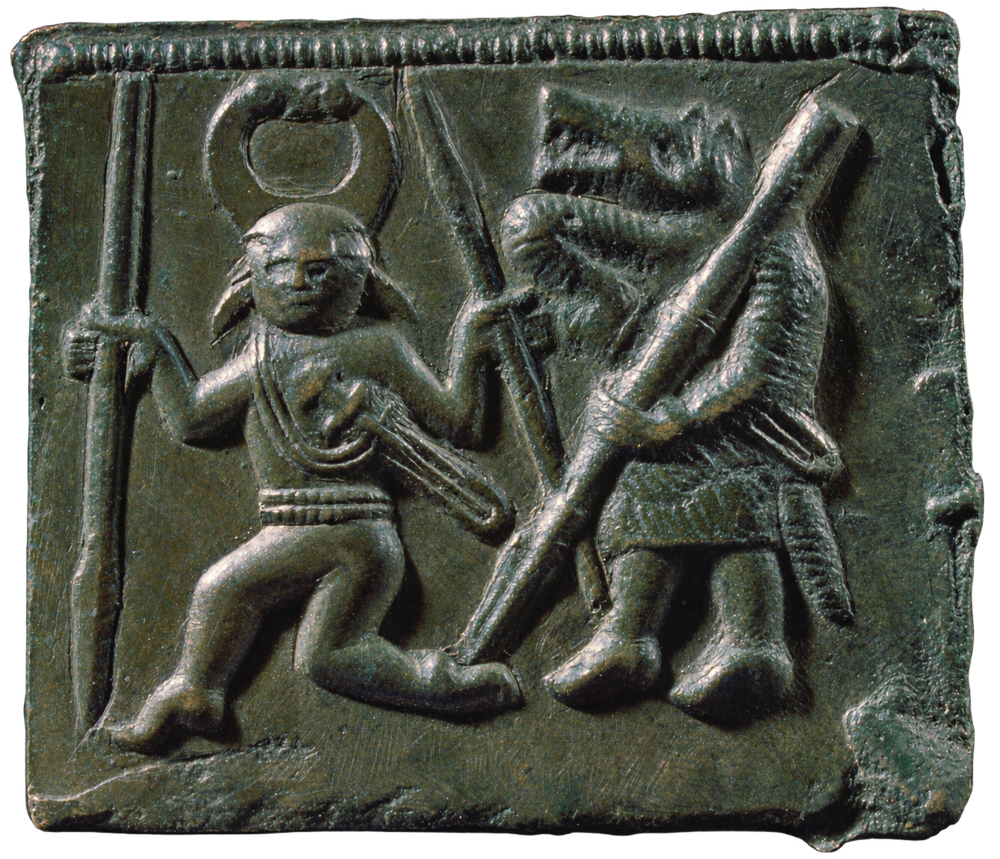
Norse polytheism pictured a world of gods with distinct characters and powers. Odin belongs to the Æsir; Njörðr, Freyr and Freyja are associated with the Vanir. Snorri’s mythic account tells of conflict, peace and an exchange of hostages between the two groups. Freyr is connected with fruitful seasons and peace, Njörðr with seafaring and wealth. In The Culture of the Teutons, Vilhelm Grønbech interprets divine power through kinship, inherited luck, ritual and the life of the community. Gods and people belong within a shared moral and sacred world. He reads the Æsir–Vanir conflict and reconciliation through differing cult traditions brought into communion. Snorri also offers a different frame. His Prologue presents Odin and his companions as extraordinary human rulers from Asia whose descendants came to be revered as gods. This is euhemerization, written in Christian medieval Iceland, alongside the divine narratives he preserves.
Modern pagan understandings also vary: some regard the gods as personal divine beings, others emphasize powers of nature or symbolic expressions of human experience. There is no single account shared by every practitioner.
Grønbech emphasizes the bonds of kin, peace within the group and the luck that sustains life. In his interpretation, religion is woven into action, gifts and communal obligation.
Snorri’s Prologue explains the gods as remembered human rulers; Gylfaginning recounts their divine world. Reading both reveals the different frames within a medieval Christian author’s preservation of pagan tradition.
Through EmbersThe ancestral world that fascinates Håvard has been understood through worship, myth, historical explanation and imaginative literature. These are different relationships to the same inherited names and stories.
Sources & image credit
Torslunda helmet-plate die, object 618349, Swedish History Museum. Photograph by Sören Hallgren, SHM (1996), supplied by the National Historical Museums of Sweden via Wikimedia Commons. CC BY 4.0. Cutout adaptation; patina and damaged surface retained. The identification of the weapon dancer as Odin is an archaeological interpretation.
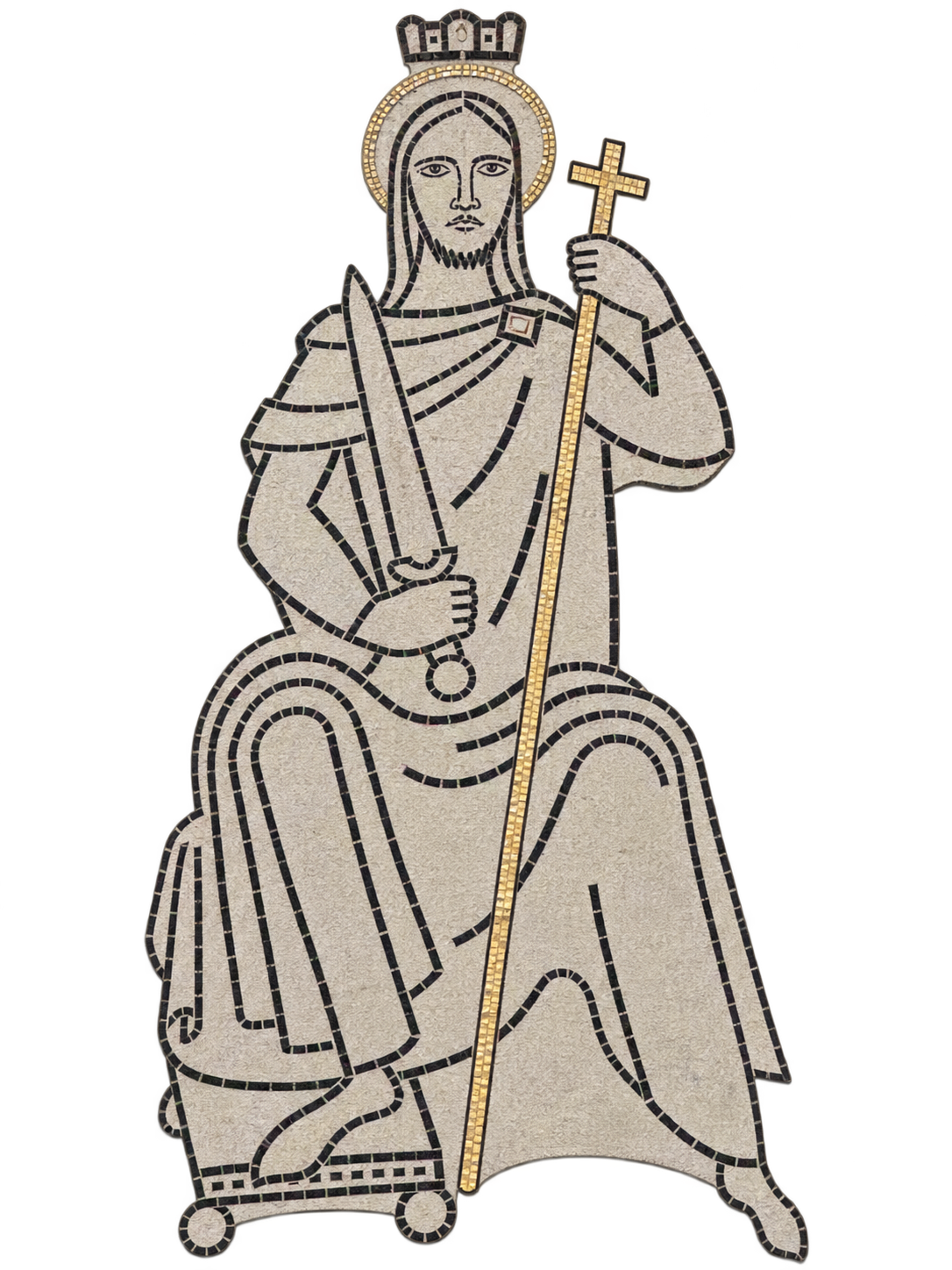
1030–1031 · Christian Norway
A king becomes a saint
Olav Haraldsson died at Stiklestad in 1030 and was proclaimed a saint in 1031. His shrine drew pilgrims to Nidaros. The cathedral developed around his burial site, making Trondheim a meeting place for Christian worship, kingship and journeys across the north.
A king’s burial becomes a destination for prayer and pilgrimage, linking the local landscape to the wider Christian world.
Pilgrimage and devotion make the journey towards God part of the geography and rhythm of life.
Royal power and Christian institutions reshape one another. This was a long, contested transformation, not an entire people changing overnight.
Through EmbersThe stone and glass around Håvard are witnesses to this transformation. A Norway remembered only through raiders and sagas leaves out the Christian kingdom, its saints, craftsmen, churches and pilgrims.
Sources & image credit
A modern mosaic depiction on St. Olave’s House, London. Photograph: Robert-brook, 2024, CC0. Cutout adaptation. This is a later commemoration, not a contemporary likeness.
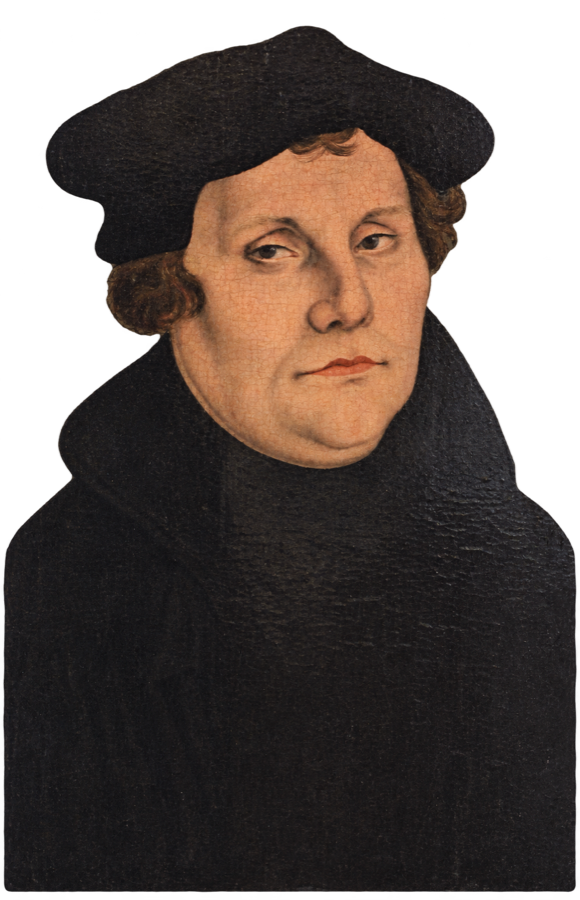
1517 → 1537 · The Reformation
Faith, Scripture and the crown
Luther’s Reformation changed the religious life of northern Europe. In 1537, Christian III made the Evangelical-Lutheran faith the official religion of Denmark–Norway and assumed leadership of the Church. The medieval church order gave way to a Lutheran state church.
Luther’s catechism teaches Christian faith through the commandments, creed, prayer and sacraments, emphasizing salvation as God’s gift.
The catechism addresses household teaching and ordinary duties. Religious formation belongs within home and community as well as public worship.
Lutheran teaching and royal government replace the old church order in Denmark–Norway. This does not yet mean modern religious freedom.
Through EmbersNorway’s Christian inheritance was itself transformed from within. The same cathedral could remain standing while worship, teaching, political authority and the place of saints changed around it.
Sources & image credit
Lucas Cranach the Elder, portrait of Martin Luther, c. 1530; public-domain reproduction via Wikimedia Commons.
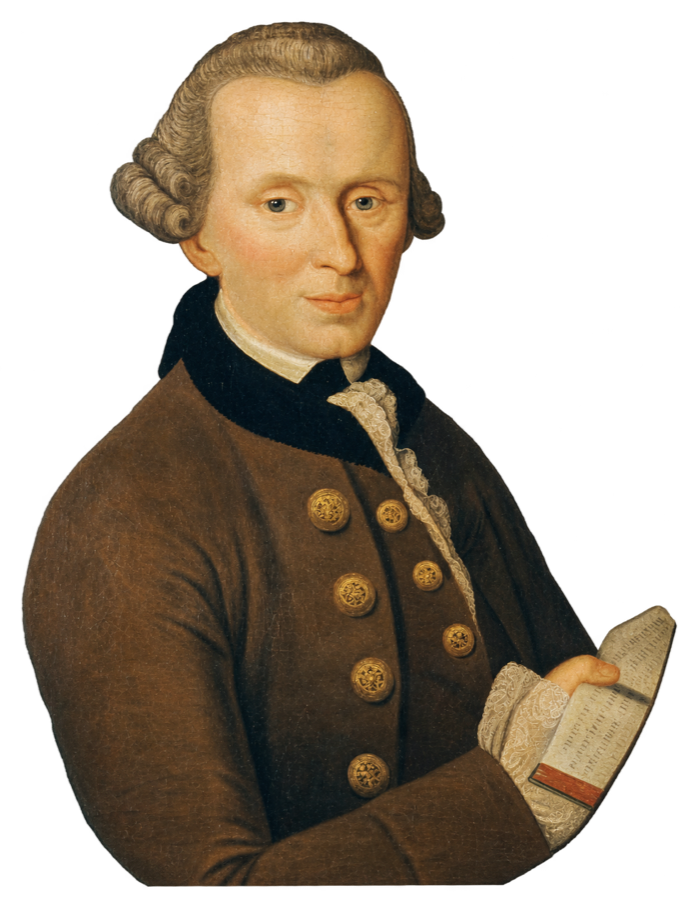
1784 · The Enlightenment
Reason and religious authority
In What Is Enlightenment?, Kant asks people to find the courage to use their own understanding without another’s guidance. He argues for the public use of reason and the freedom to examine inherited religious arrangements. The person who receives a tradition is also called to judge it.
Inherited religious claims become matters of public argument and inquiry. Kant focuses particularly on freedom in religious questions.
Maturity involves taking responsibility for one’s own thinking rather than paying another person to act as one’s conscience.
A community’s religious settlement should not close off future inquiry. Reason becomes a public test of claims to authority.
Through EmbersThe essay offers one influential account of intellectual independence and religious inquiry in modern Europe. Embers returns to a related question through Håvard’s experience: how does a person encounter an inherited tradition when its authority is no longer taken for granted?
Sources & image credit
Johann Gottlieb Becker, portrait of Immanuel Kant, 1768; Schiller-Nationalmuseum, Marbach. Public-domain reproduction via Wikimedia Commons. Cutout adaptation.
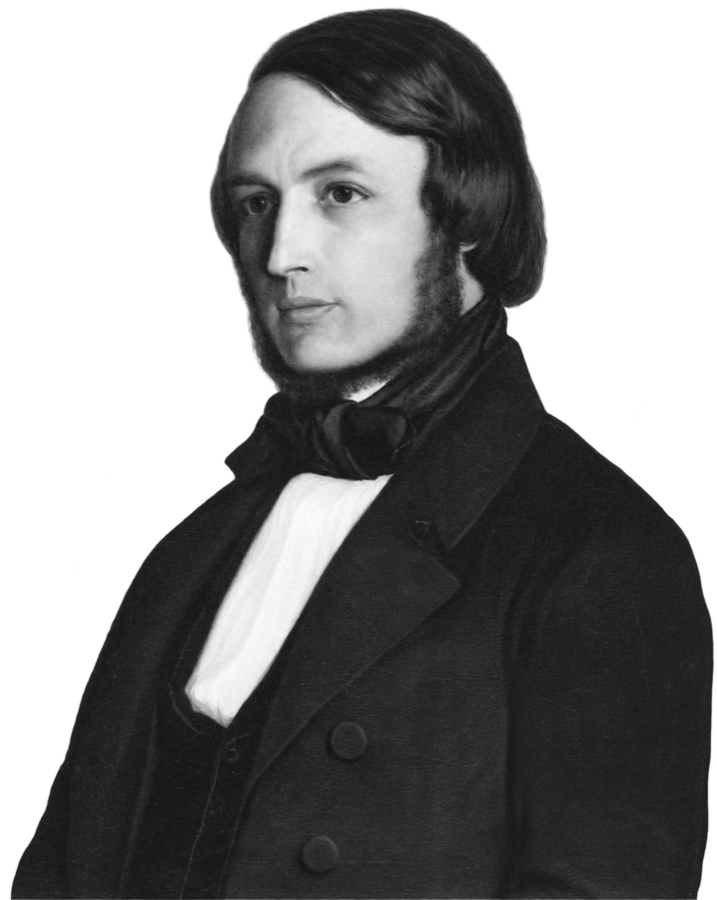
1835 → 1840 · The modern governing state
Society as a practical science
The jurist Anton Martin Schweigaard helped make practical utility a guiding principle of Norwegian public life. In 1840 he became professor of law, political economy and statistics. Historian Rune Slagstad describes this combination as a key to a new governing ideal: society could be understood and directed through economic knowledge, empirical inquiry and calculation. Law increasingly looked to measurable consequences when deciding what should be done.
Public decisions increasingly speak the language of evidence, utility and economic knowledge.
Useful consequences become a leading test of reform.
Legal, economic and statistical expertise help shape the modern Norwegian state.
Through EmbersThis offers a Norwegian turning point in the habits of modernity. In Embers, Håvard’s encounter with saga, cathedral and inherited memory raises questions that reach beyond what can be measured or administered.
Sources & image credit
Adolph Tidemand, Anton Martin Schweigaard, 1844. Historical reproduction from Norsk portrettarkiv / Riksantikvaren via Wikimedia Commons; public domain.
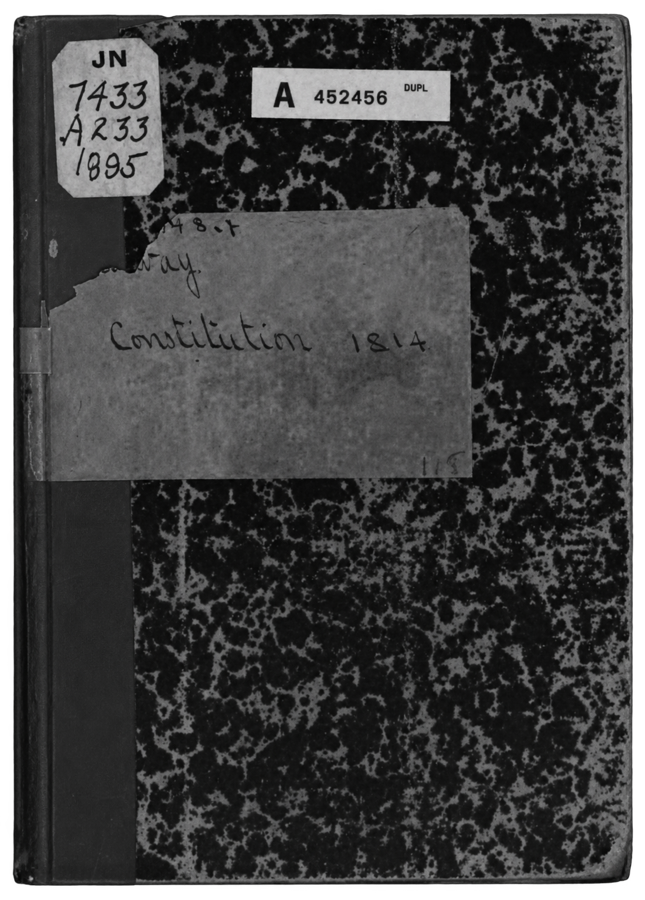
1892 → 1894 · Norway’s changing legal order
Office without a confession
In 1892, Norway removed the requirement that judges profess the Lutheran faith. The same requirement was lifted for county governors in 1894. These concrete legal choices loosened the bond between public authority and a shared religious confession. A person could exercise these offices without belonging to the faith that had helped define the state.
Lutheran confession ceases to be a condition for these offices.
Eligibility expands beyond the established religious confession.
State authority becomes less dependent on a common profession of faith.
Through EmbersThe change helps explain how a Christian inheritance could remain visible in Norway’s buildings and customs while becoming less binding in public life. Embers meets that inheritance through a person trying to understand what it might mean for him.
Sources & image credit
Cover of a nineteenth-century English edition of Norway’s Constitution with amendments, translated by Knute Nelson. Historical book reproduction; public domain.

2012 → today · Norway in the present
Religion in modern Norway
Norway’s 2012 constitutional changes ended the Evangelical-Lutheran religion’s status as the state’s official religion. Further reforms gave the Church of Norway independent legal status in 2017. The Constitution still names the country’s Christian and humanist inheritance. An inherited religious world remains present, while public life makes room for different convictions.
In Embers, uncertainty does not extinguish spiritual longing. The cathedral and the old stories can still make a claim on a life.
People in present-day Norway live within differing religious and philosophical convictions. Embers follows one person’s questions about faith, belonging and inherited ways of life.
The state no longer professes one official religion, while the Church of Norway retains a distinct constitutional place and Christian inheritance remains part of the national story.
Through EmbersHåvard is pictured here as the film’s present-day questioner, not as a participant in the reforms. He can enter a cathedral, read an old saga and sense that there may be something more, without pretending that he has already settled what he believes.
Sources & image credit
Håvard M. Poquet, from Matt Eng’s original clean Embers film still outside Nidaros Cathedral.
Eleven selected moments, not a complete history of religion. Dates are approximate; periods overlap and spacing is not proportional to time.
↑ Return to Håvard’s clip